BABY
Newborn Sleep Tips and Habits
Your primer on all things newborn sleep—and figuring out which baby sleep habits work and which don’t.

Written by
Dr. Harvey Karp

Congratulations! You’ve welcomed a precious baby into your family, which means newborn sleep is not only new to you—but to your baby, too! It can be a real struggle for newborns to adjust to the bright lights and big sounds of the outside world and to the jolting silence of their new sleep space. For freshly minted parents with no memory of their itty-bitty days, newborn sleep habits and preferences are often a mystery—so I hope these newborn sleep tips will help.
Newborn Baby Sleep Habits
Fresh-from-the-womb infants sleep differently than grownups and even older babies. Here are a few newborn sleep basics:
- They don’t know day from night. Your newborn’s natural day-night circadian rhythms haven’t developed yet. (To help, expose your little one to natural light in the morning and dim the lights and pull the shades about an hour before bedtime.)
- Newborn bellies are tiny. New babies need to eat a lot, including during the night. Breastfed newborns wake to nurse about every two to three hours and formula-fed babies do so about every three to four hours.
- Newborns sleep in fits and starts. Babies up to 2 months old sleep 14 to 18 hours a day in bits and pieces, waking throughout the day to feed.
- Newborns are noisy sleepers. Newborn babies cycle through REM sleep (aka “active sleep”) and NREM “quiet sleep” every 45 to 50 minutes. That means your baby enters a light sleep about every hour, making them more prone to briefly waking and making short moans or squawks.
- Newborn wake windows are short. A newborn’s daytime wake/sleep cycle is 45 to 60 minutes of awake time, then one to two hours of napping. For 1- to 2-month-olds, the wake window opens a bit wider, landing between one and two hours.
- Newborns crave the 5 S’s. Swaddling and shushing (white noise) are just two of the 5 S’s for soothing babies that turn on a baby’s calming reflex…aka the “off switch” for fussing and “on switch” for sleep. The gentle hug of a swaddle mimics the security of the womb, decreases startling, and increases sleep. Meanwhile, white noise harkens back to the sounds of the womb, helping 80% of babies fall asleep in just five minutes.
Bad Baby Sleep Habits
Many new parents inadvertently teach their babies sleep habits that make them dependent on their grownup, rather than sleep habits that build a baby’s confidence and their self-calming ability. Here are some of the most common baby sleep habits that can torpedo a baby’s sleep:
- Bed-sharing: Co-sleeping is a big no-no for many reasons. Most importantly, it increases a baby’s risk of infant sleep death. Bed-sharing also makes it easy for babies to insist their parents soothe them back to sleep—each time they awaken. Plus, research shows that the longer babies co-sleep the worse their sleep habits get, including shorter sleep duration and frequent awakenings.
- Being put to bed asleep: Placing a sleeping baby in their bassinet can easily set off their Moro reflex (also called the startle reflex) and wake them. This habit also keeps them from learning that bassinets are for sleep.
- Contact naps: When babies regularly nap in your arms, they start to learn that sleepytime is supposed to occur there…not the bassinet! (The only safe place for babies to snooze is on their own flat, firm sleep surface, free of soft items, like a crib or bassinet.)
- Quiet room: While a quiet room isn’t exactly a “bad habit,” it’s certainly not a sleep-inducing one! To a baby, a quiet, still room feels like a sensory desert—and they hate it! Remember, the womb is loud, 24 hours a day, and your baby’s sleep space should mimic that with white noise.
Healthy Sleep Habits for Baby
During your newborn’s first few months, the best baby sleep habits are those that mimic the calming sensations of the womb. That means embracing all of the 5 S’s, which includes swaddling, shushing, swinging, sucking, and holding Baby in the side/stomach position. With that, good sleep habits for newborn babies include:
- Place your baby on their back. Always place your baby on a flat, firm sleep surface on their back, with no loose bedding in the crib or bassinet.
- Make sure your baby isn’t hungry at bedtime. To help keep your baby full and snoozing at night, feed them every 1.5 to 2 hours during the day for the first few months. And offer a dream feed between 10pm and midnight to help and reduce night wakings.
- Place your baby to bed when he is sleepy. Do not wait for your baby to be completely asleep before putting them to bed. If your bub nods off despite your best efforts, try the wake-and-sleep method.
- Create a regular sleep schedule. And follow it consistently! Learn more about creating a sleep-inducing bedtime routine.
- Don’t let your baby nap for too long. Starting around 2 months old, if your baby naps for longer than 1.5 to 2 hours, consider waking them for a feed. Longer naps can negatively impact your baby’s nighttime routine.
- Offer a pacifier at bedtime. Sucking lowers a baby’s heart rate, blood pressure, and stress levels while helping to turn on their calming reflex. Plus, scientists have discovered that sucking a paci during sleepytime can lower your baby’s risk of SIDS. (If your baby is nursing, then wait until breastfeeding is established before offering a pacifier.)
How to Break Bad Sleep Habits
Being your baby’s sleep aid can be a warm and cuddly experience, and I’m all for it…as long as you’re happy with it, and you always put your baby to sleep on their back in a safe location. But if you’re feeling spent, this is the right moment to help your infant learn some new healthy sleep habits. Here are some clues it’s time for a change:
- You’re exhausted. Do you find yourself being short-tempered with your family? Are you spacing out at work? Have you noticed that you’re driving dangerously because you’re so tired? Do you feel depressed? Are you turning to bad habits to cope, like drinking in excess or smoking cigarettes?
- You’re frustrated. Are you feeling like you’re at your wit’s end, not knowing what to do about your infant’s sleep resistance, night waking, dependence on bed-sharing, and frequent night nursing? Are bickering a lot with your partner or those helping you with the baby?.
- Your child’s unhappy. Is your baby extra cranky? Are they seemingly crying about everything? Does your bub seem overtired, do they get super irritable at bedtime, or do they wake up crying a lot during the night?
If you’re seeing these signs, it’s time to swap your problematic sleep habits for ones that boost sleep and nurture your baby’s calm, their confidence, and their competence. Don’t get me wrong…you should give your little lovebug tons of holding, rocking, and patting. But to avoid sleep problems later, it’s time to help your precious baby develop the healthy sleep habits and routines that will teach them to self-soothe now and in the future.
How to Improve Baby Sleep Habits With the Wake-and-Sleep Method
One of the best ways to help your baby sleep better is to use the wake-and-sleep technique every time you put your little one down to sleep.
Before laying your baby down for a nap or the night—wrap them in a snug swaddle, put on low and rumbly white noise for sleep (make it as loud as a shower), offer a feed, and then let your baby drift to sleep in your arms. But right after you slide your baby into their bassinet, rouse them just until their eyes barely open. (Scratch your bub’s toes or gently tickle their neck to gently rouse them.) After a few seconds, your sweet baby will fall back to sleep.
If your baby does cry, don’t worry! They may be uncomfortable or hungry, so go ahead and pick your baby up to feed and settle them…but be sure to slightly wake them again right after laying them back down.
Yes, this technique may sound odd, but trust me: Those few seconds of drowsy waking are helping your child learn how to sleep through the night!
Newborn Sleep Habit Helpers
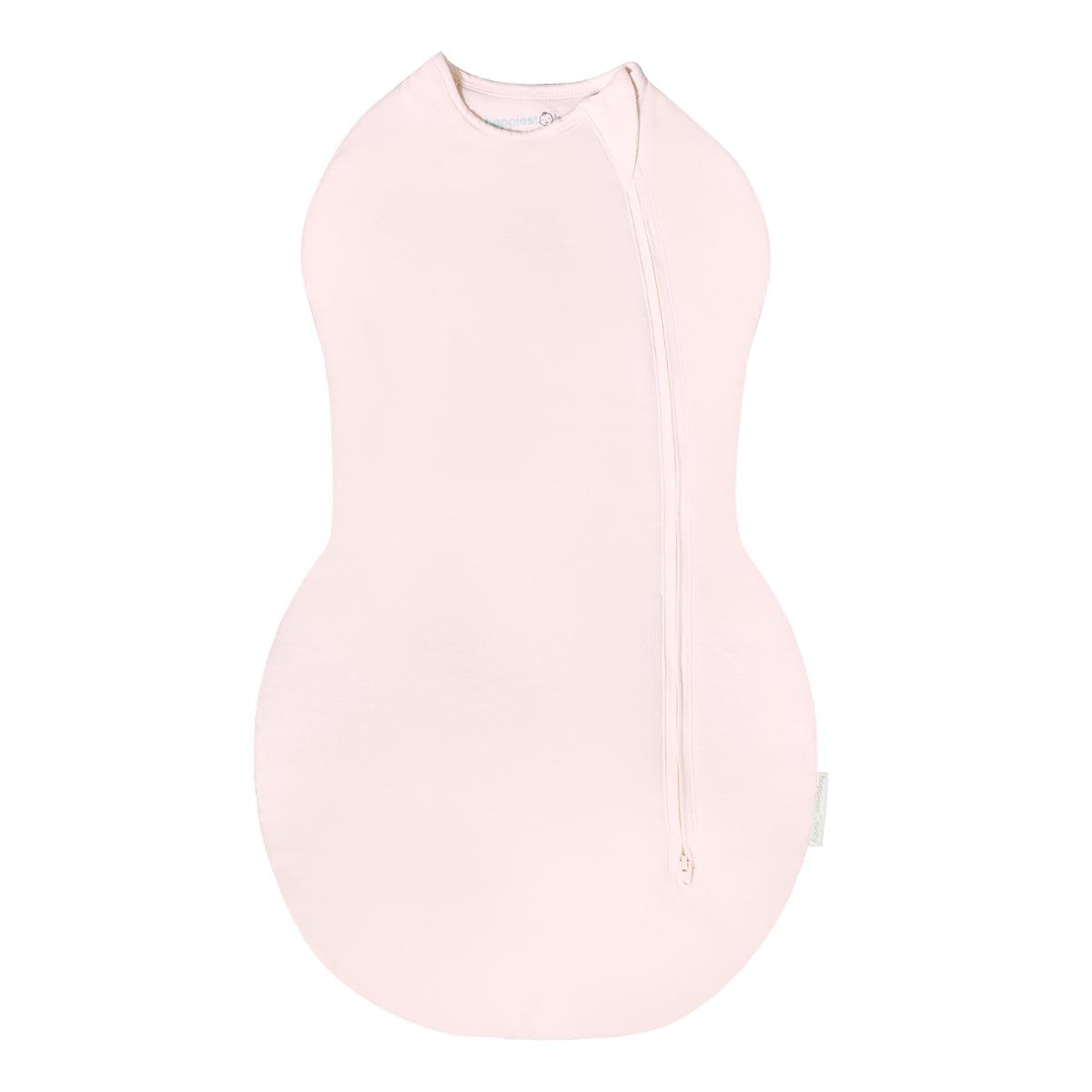
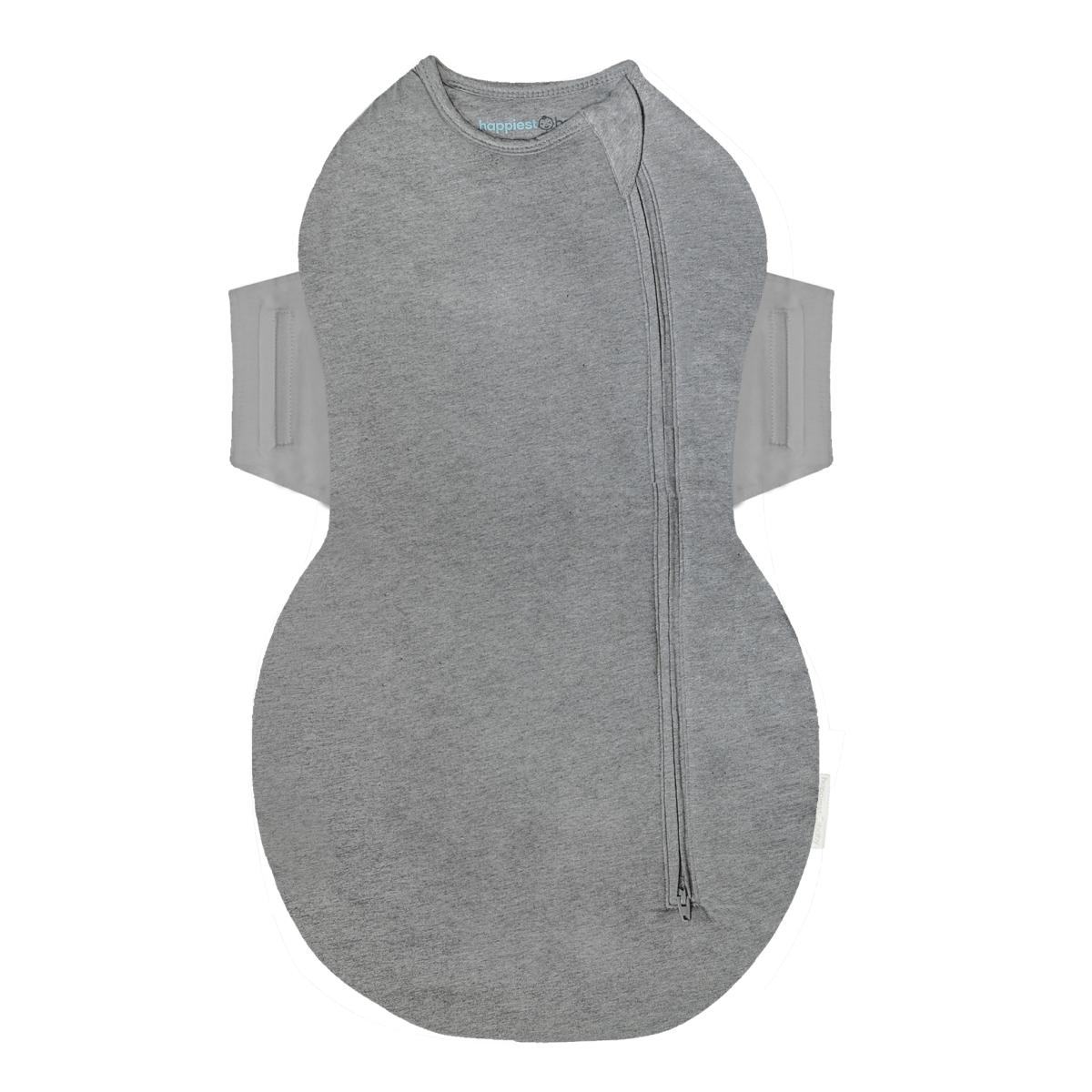
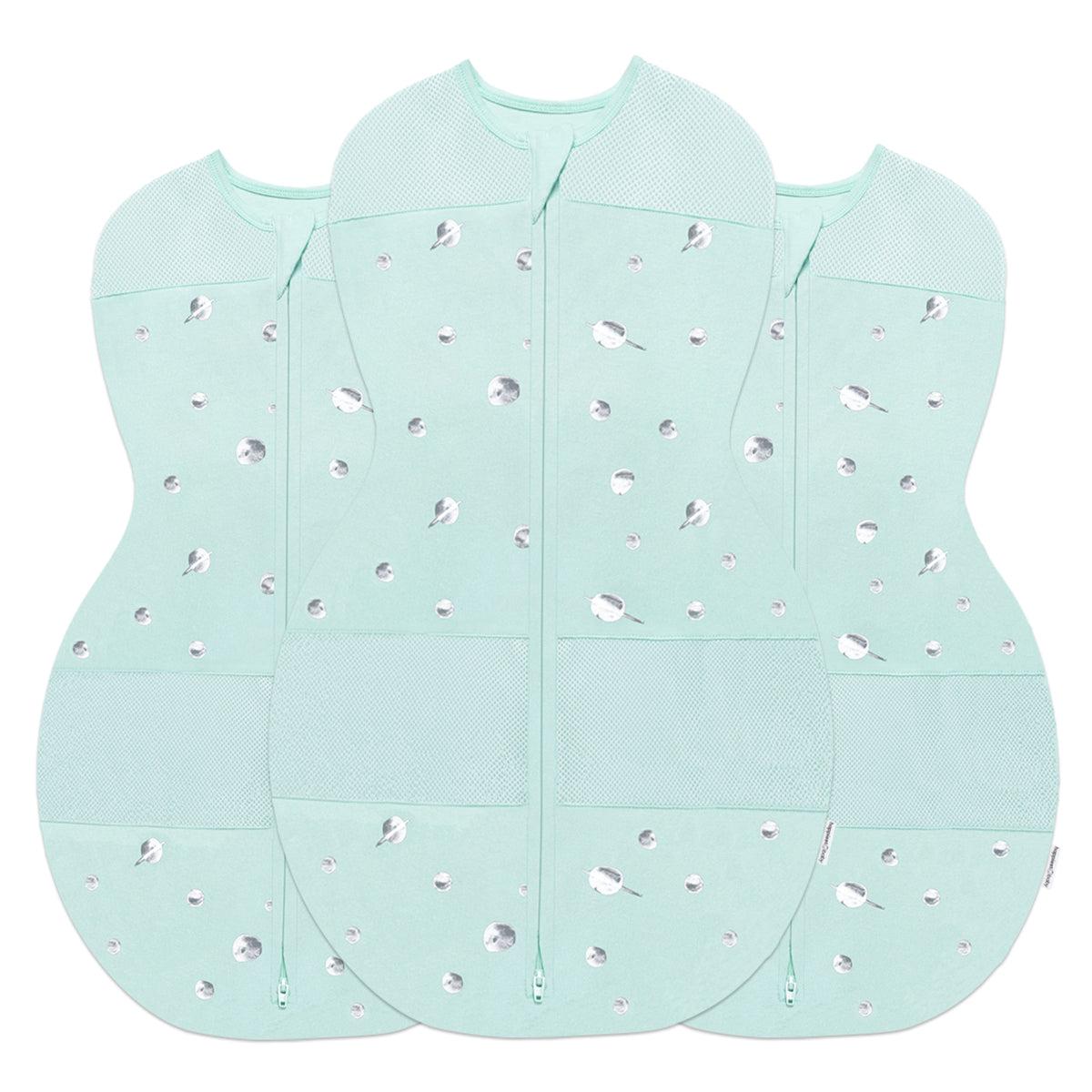
- The Right Swaddle: Sleepea is a multi-award winning swaddle for a reason: The easy-as-can-be 5-Second Swaddle has special inner bands to keep even little escape artists bundled safely all night. Sleepea’s breathable organic cotton and perfectly placed mesh keep babies cool and comfortable all sleep long, and it converts to an arms-out swaddle when needed!
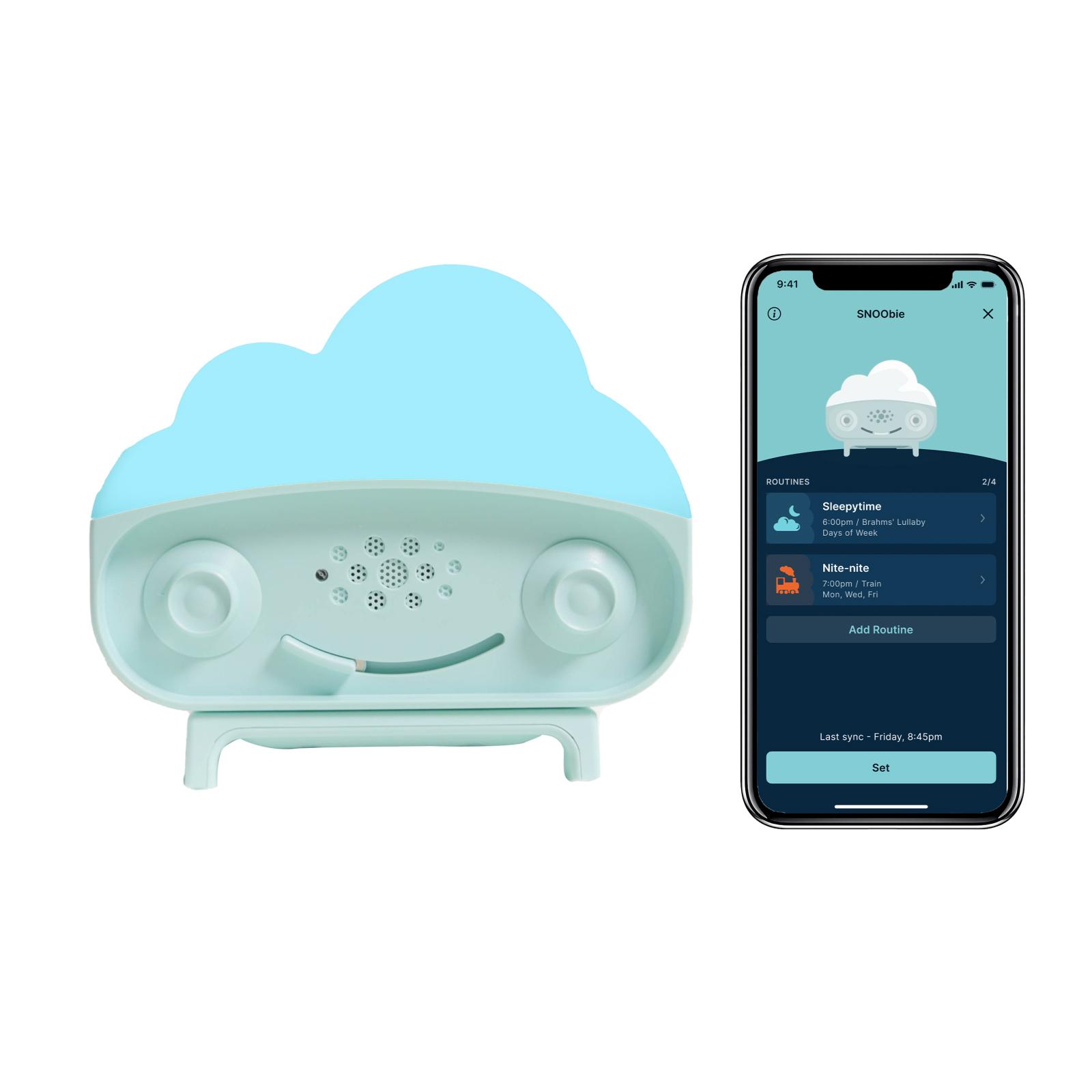
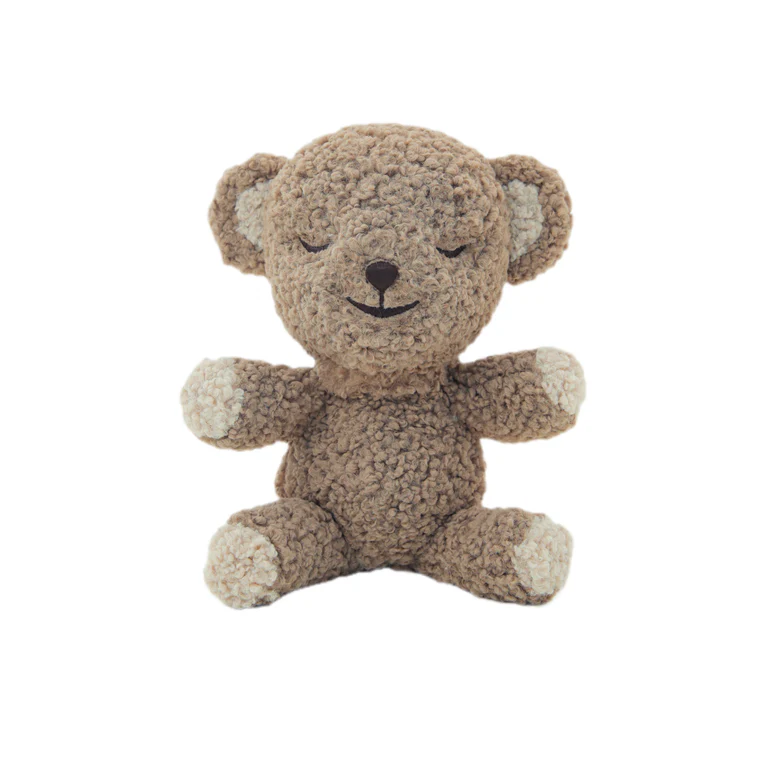
- The Perfect White Noise: SNOObear and SNOObie both play low, rumbly white noise designed to help babies get the sleep they need. SNOObear—a lovey and a puppet to boot—is responsive, so even after the sound turns off, SNOObear monitors your baby and automatically turns back on if your little one cries. SNOObie offers the same sounds, plus a few extras. Plus, it’s a nightlight, sleep trainer, and calm-down helper.
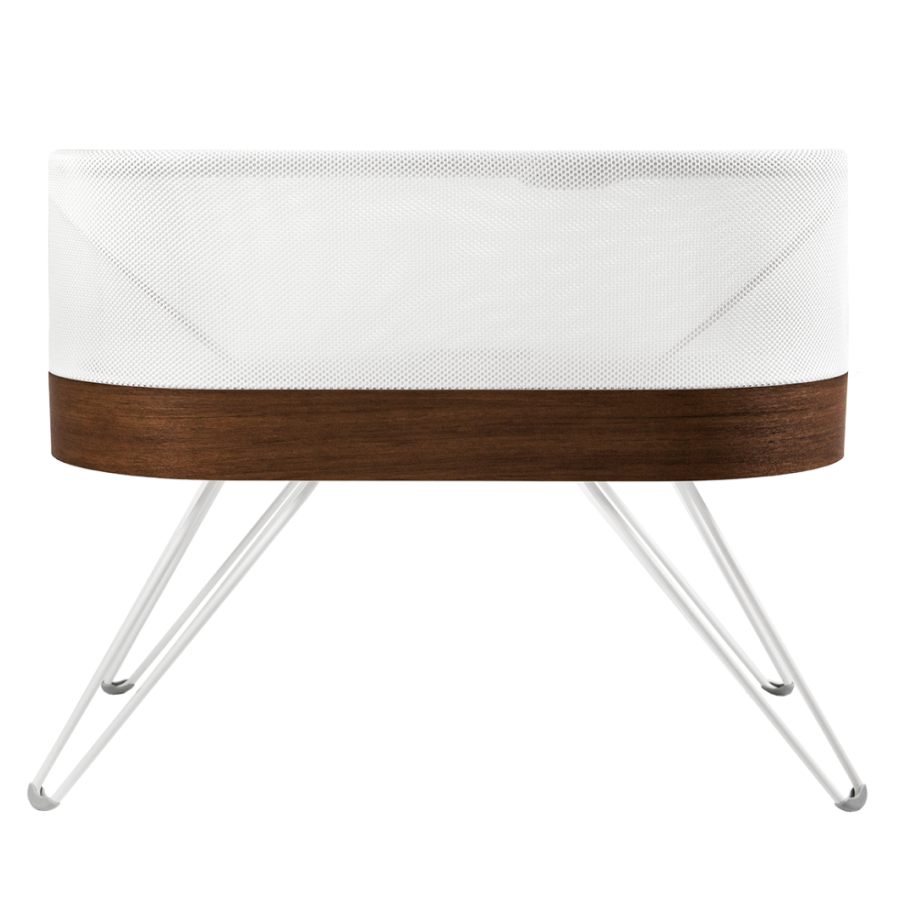
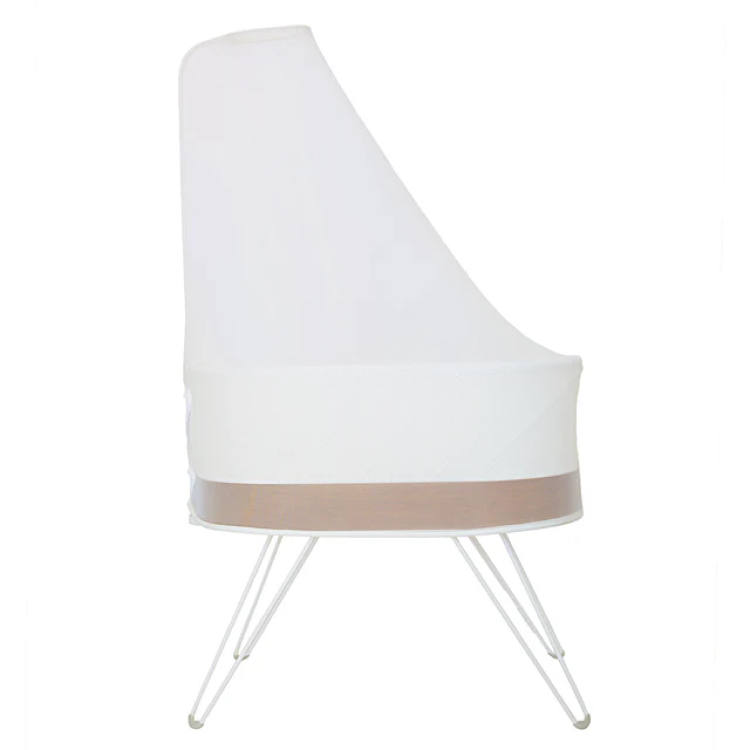
- The Smarter Bassinet: The award-winning responsive SNOO bassinet uses gentle rocking, a safe swaddle, and white noise to aid your baby’s sleep.
Disclaimer: The information on our site is NOT medical advice for any specific person or condition. It is only meant as general information. If you have any medical questions and concerns about your child or yourself, please contact your health provider. Breastmilk is the best source of nutrition for babies. It is important that, in preparation for and during breastfeeding, mothers eat a healthy, balanced diet. Combined breast- and bottle-feeding in the first weeks of life may reduce the supply of a mother's breastmilk and reversing the decision not to breastfeed is difficult. If you do decide to use infant formula, you should follow instructions carefully.






SHARE THIS ARTICLE
PARENT PICKS
Bestsellers