BABY
What Is the Best Music for Baby Sleep?
Lullabies and bedtime routines go hand in hand…but does music actually help babies sleep? We find out—and share the best soothing sounds for bedtime success.

Written by
Happiest Baby Staff

There is no doubt that music is great for babies. Listening to tunes can improve little ones' ability to process new speech sounds, which is great for bolstering cognitive skills. Music can stimulate the formation of feel-good brain chemicals, like dopamine and oxytocin. Singing lullabies to premature infants in the NICU may even improve feeding behaviours. And research has shown that singing lullabies to babies may improve bonding and reduce maternal stress. So many wins! But the million-dollar question remains: Will music help Baby sleep? We break it down.
Research Shows Music Calms Babies
While you likely do not need a scientific study to tell you that lullabies soothe babies, there is genuine research behind music’s calming effects. For instance, a recent Harvard University study found that when babies listened to lullabies, they became more relaxed than when they listened to other music. Their heart rate was lower, and their pupils were less dilated, which are both strong indicators of relaxation. The kicker: The lullabies worked their soothing magic regardless of what language they were in—or if the babies had ever heard the tunes before. Another study, this one in the journal Infancy, showed that babies stayed calm twice as long when listening to an unfamiliar lullaby, as they did when listening to baby talk. This means that lullabies' unique cantor is more powerful than the actual lyrics or words.
The Best Music for Baby Sleep
It may be easy to distinguish a lullaby from a rock song from a BTS hit, but it is a little bit more difficult to articulate what makes a lullaby a lullaby. But we do know that the most effective lullabies generally follow these rules:
-
Simple language - Slow and steady beat (like a rocking rhythm)
- Repetitious and predictable
- Simple melody with few large jumps between the notes
- About 70 beats per second, which mimics the rhythms of a mother’s pulse
If you are still scratching your head about what makes a song a lullaby, here are some classic—and more modern—examples of lullabies that soothe Baby:
- Twinkle Twinkle Little Star
- Rock-a-Bye Baby
- Baa Baa Black Sheep
- When You Wish Upon a Star
- Three Little Birds by Bob Marley
- Can’t Take My Eyes Off of You by Lauryn Hill
- Better Together by Jack Johnson
- Flume by Bon Iver
Want more lullaby options? Check out Dr. Harvey Karp’s top music picks for soothing babies.
Does Music Help Baby Sleep?
While lullabies help babies feel safe, secure, and calm, there is not a whole lot of proof that listening to lullabies directly connects to improved sleep. And that could possibly be because the sleep-inducing power of the lullaby may stem from the combination of singing and rocking (cue: Rock-a-Bye Baby). After all, babies associate rocking with the soothing sensations they enjoyed in the womb…and that is why swinging is one of Dr. Harvey Karp’s 5 S’s for better sleep. That rhythmic movement helps to trigger Baby’s innate calming reflex, which is nature’s 'off switch' for crying and 'on switch' for calming and sleep. Lullabies, while slow and predictable, still lack a specific monotony that works wonders for Baby sleep.
Best Baby Sleep Music
The best 'music' for Baby to fall asleep to is not music at all, but white noise—a proven sleep-inducer. For example, a study in the journal Archives of Disease in Childhood found that white noise helped 80% of babies fall asleep in a mere five minutes. White noise has been shown to significantly decrease the duration of crying—and increase sleep—in colicky babies. That is because white noise mimics the loud rumbly sounds that babies heard in the womb. And that is also why shushing (aka white noise) is another integral part of the 5 S’s.
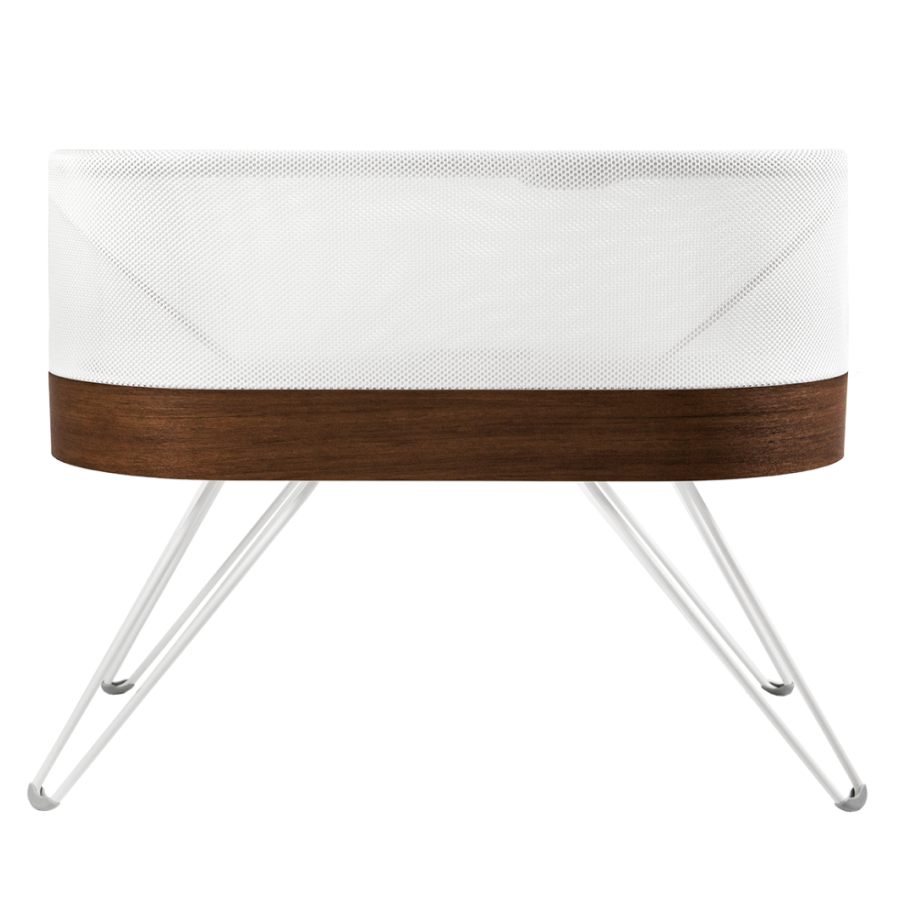
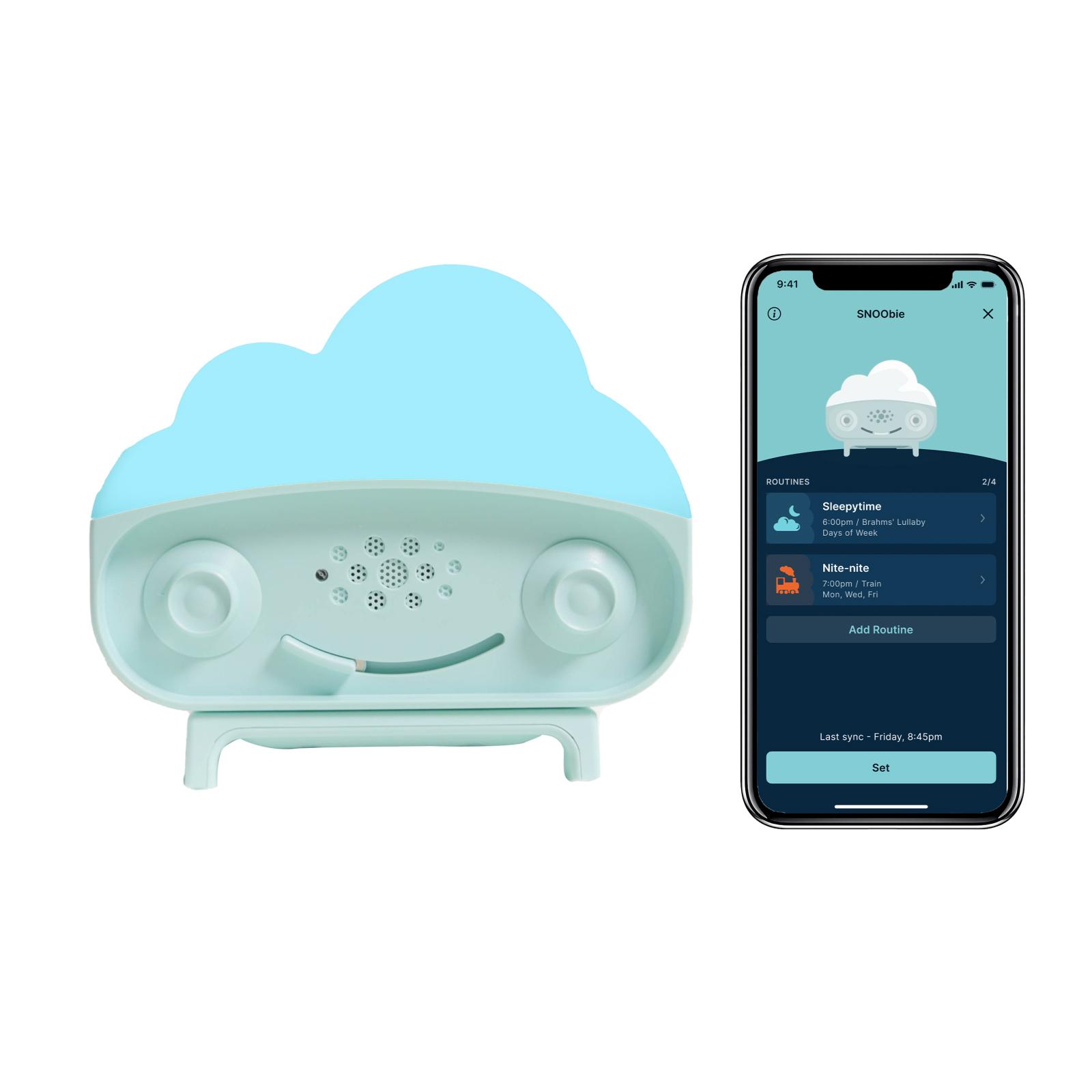
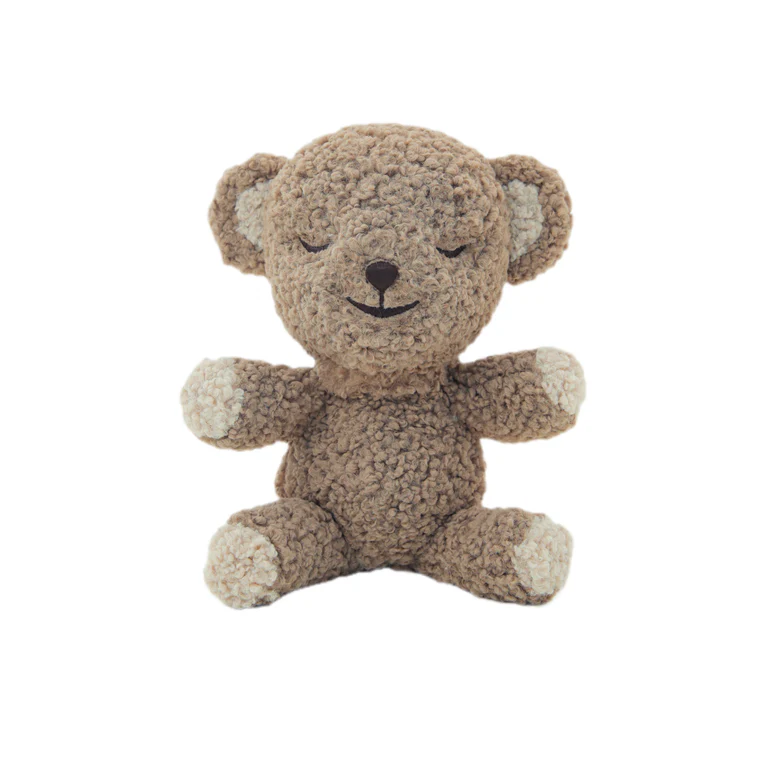
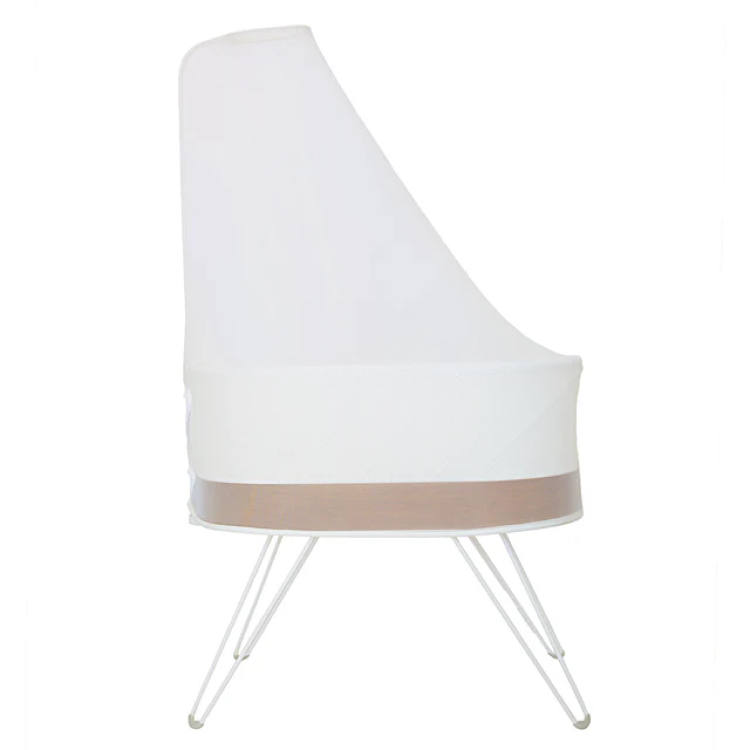
To make sure that your baby’s sleep-inducing white noise is as womb-like as possible, it should be continuous, monotonous, and at a low-pitch. (Inconsistent sounds, like waves, birds, and lullabies, simply do not fit that bill.) Of course, not all white noise machines are the same. In fact, many do not even offer the effective low rumbly white noise newborns need for better sleep! For the best 'music' for baby sleep, try the paediatrician-designed SNOO sounds download, our award-winning SNOO bassinet, and/or SNOObear, a white noise lovey that plays SNOO sounds, too. Within weeks of using the proper white noise, your baby will associate white noise with the pleasure of sleep. (I recognise that sound...it must be time for night-night!) As babies grow, white noise helps them get to sleep—and stay asleep—despite outside distractions (loud tellies, passing trucks) or inside distractions (teething pain, mild cold).
Sleep Music and Baby’s Bedtime Routine
Just because music on its own may not necessarily improve baby sleep, lullabies do play an important role in babies’ bedtime routine. A study in the journal Sleep reported that parents who engaged in a consistent three-step bedtime routine including bath, baby massage, and quiet cuddling or singing a lullaby significantly reduced their infant’s or toddler’s problematic sleep behaviours within just two weeks! Researchers note that routines lead to predictable and less stressful bedtimes. With that in mind, about an hour before lights out, give your child a few signals that bedtime is approaching, such as dimming the lights, turning off all screens, turning on white noise, and engaging in quiet play. Then, about 30 minutes before bedtime, sing some sweet lullabies. Since consistency is super-important to little ones, at the end of Baby’s bedtime routine, try singing the same song or songs each night. As you sing, consider using a simple 'let’s sleep' gesture—perhaps putting your hands together like a pillow and resting your head on them.
For more on white noise and baby music for better sleep, check out:
- How White Noise Benefits Babies
- Is White Noise Bad for Babies’ Hearing?
- Everything You Need to Know About White Noise!
Disclaimer: The information on our site is NOT medical advice for any specific person or condition. It is only meant as general information. If you have any medical questions and concerns about your child or yourself, please contact your health provider. Breastmilk is the best source of nutrition for babies. It is important that, in preparation for and during breastfeeding, mothers eat a healthy, balanced diet. Combined breast- and bottle-feeding in the first weeks of life may reduce the supply of a mother's breastmilk and reversing the decision not to breastfeed is difficult. If you do decide to use infant formula, you should follow instructions carefully.






SHARE THIS ARTICLE
PARENT PICKS
Bestsellers