BABY
How to Interpret Different Types of Baby Cries
How you can tell what your little one needs, just from her fussing.

Written by
Dr. Harvey Karp
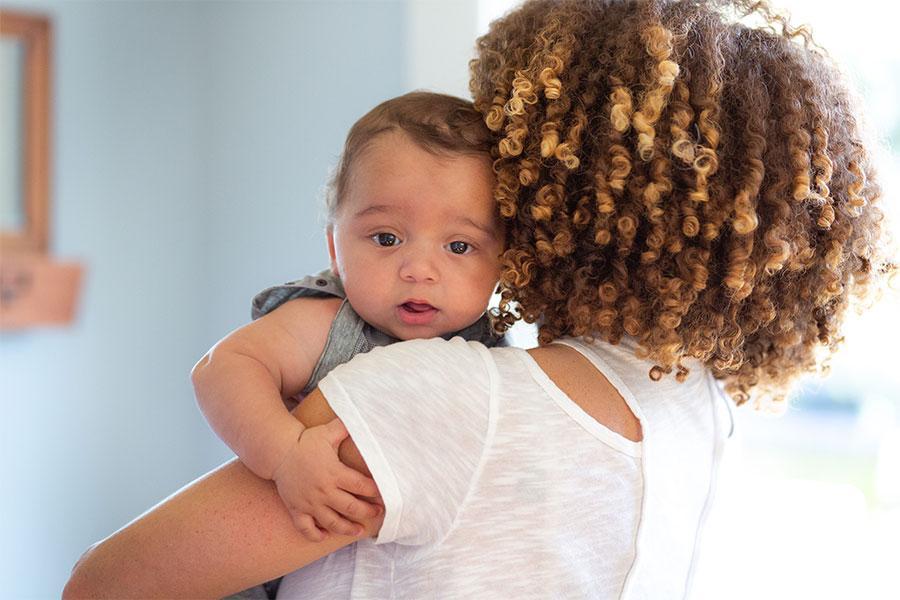
Different Baby Cries
When you first bring your little newborn home, every cry can sound like an urgent alarm. But how can you tell exactly what he needs? Is the ‘I am sleepy’ cry different from an ‘I am starving’ cry?
Right after birth, your newborn’s compact brain simply does not have enough room for a wide range of grunts and whines. There are in fact 3 types of baby cries he will make:
Interpreting Baby Cries
Whimpering. This mild fussing sounds more like requesting than complaining, like a call from a neighbour asking to borrow some sugar. Baby whimpering conveys a slight unhappiness like being peckish or sleepy.
Crying. This good, strong yelp demands your attention, like when your kitchen timer goes off. A baby crying indicates greater distress, like being very hungry or cold.
Shrieking. This is a piercing, glass-shattering wail, as shrill and unbearable as a burglar alarm. A baby shrieking signals pain or irritation.
Keep in mind that even an infant's most ear-splitting shrieks are simply her way of letting you know she is hungry, wet, soiled or even lonely. Once you give her what she needs, she will settle down.
At What Age Do Babies Cry Most?
The different types of baby cries are how they communicate hunger, discomfort, sleepiness, distress, and more. Most babies reach a crying peak at about 6 weeks of age. By 3 months, she will learn to make many different noises and you will decipher their meanings eventually. Exciting times ahead!
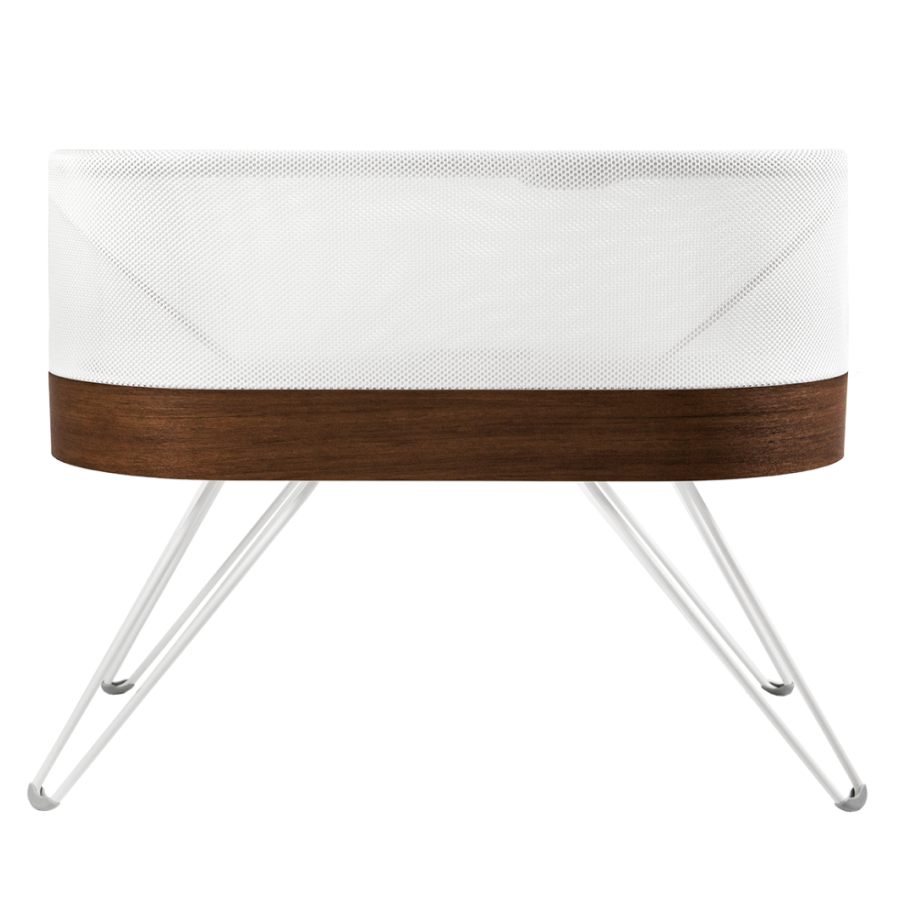
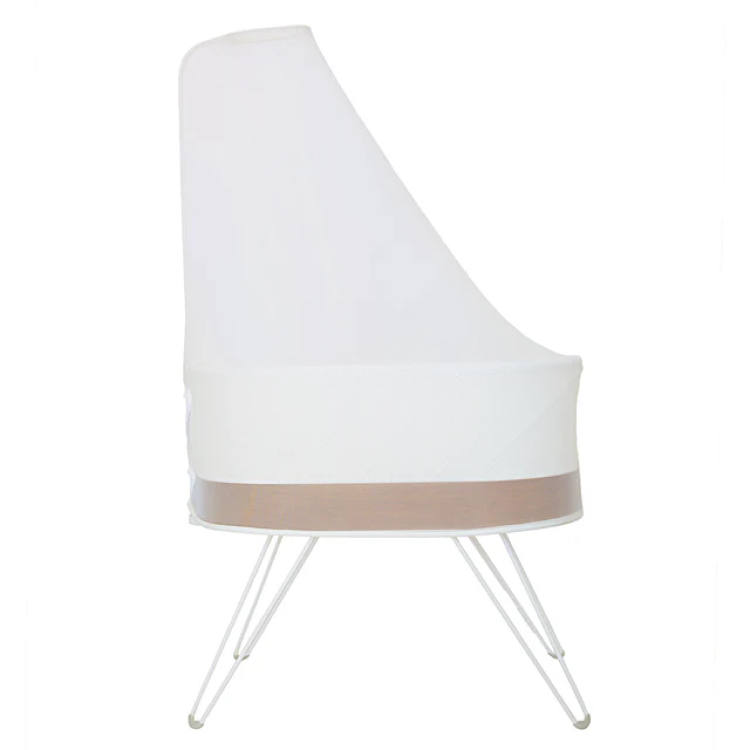
Did you know: SNOO Smart Sleeper helps parents better understand their baby’s cues:
‘SNOO has helped my confidence as a parent by helping me….If [my baby] is able to be calmed down with some rocking and white noise, then she probably is not in discomfort and that helps me later on in the day when she cries. It allows me to determine when she needs something or when she just needs a hug and attention.’- Janine
Disclaimer: The information on our site is NOT medical advice for any specific person or condition. It is only meant as general information. If you have any medical questions and concerns about your child or yourself, please contact your health provider. Breastmilk is the best source of nutrition for babies. It is important that, in preparation for and during breastfeeding, mothers eat a healthy, balanced diet. Combined breast- and bottle-feeding in the first weeks of life may reduce the supply of a mother's breastmilk and reversing the decision not to breastfeed is difficult. If you do decide to use infant formula, you should follow instructions carefully.






SHARE THIS ARTICLE
PARENT PICKS
Bestsellers