BABY
Can Swaddling Cause Hip Dysplasia?
Learn to snuggly wrap arms while keeping hips safe.

Written by
Dr. Harvey Karp
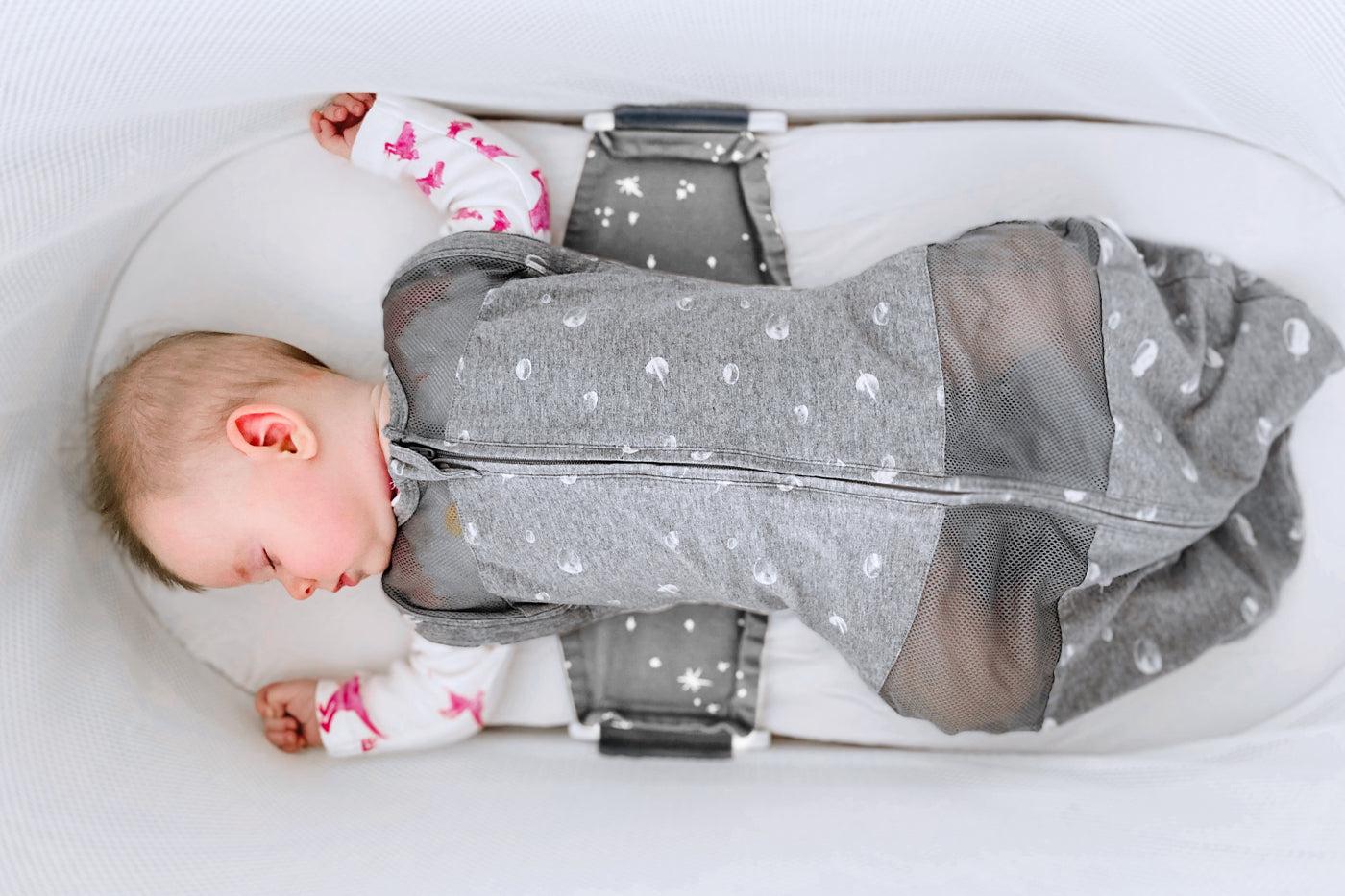
Some healthcare providers warn that swaddles may cause hip dysplasia in babies. Indeed, cultures using ancient methods of swaddling (with rigid, fully straightened legs, tightly bound with blankets or ropes) have more infant and baby hip dysplasia and adult hip arthritis.
Fortunately, there have been no reports of increased baby hip dysplasia from swaddling over the past decade, despite millions of infants having been swaddled.
The International Hip Dysplasia Institute promotes swaddling for babies…but only when it is done correctly.
Is There a Wrong Way to Swaddle?
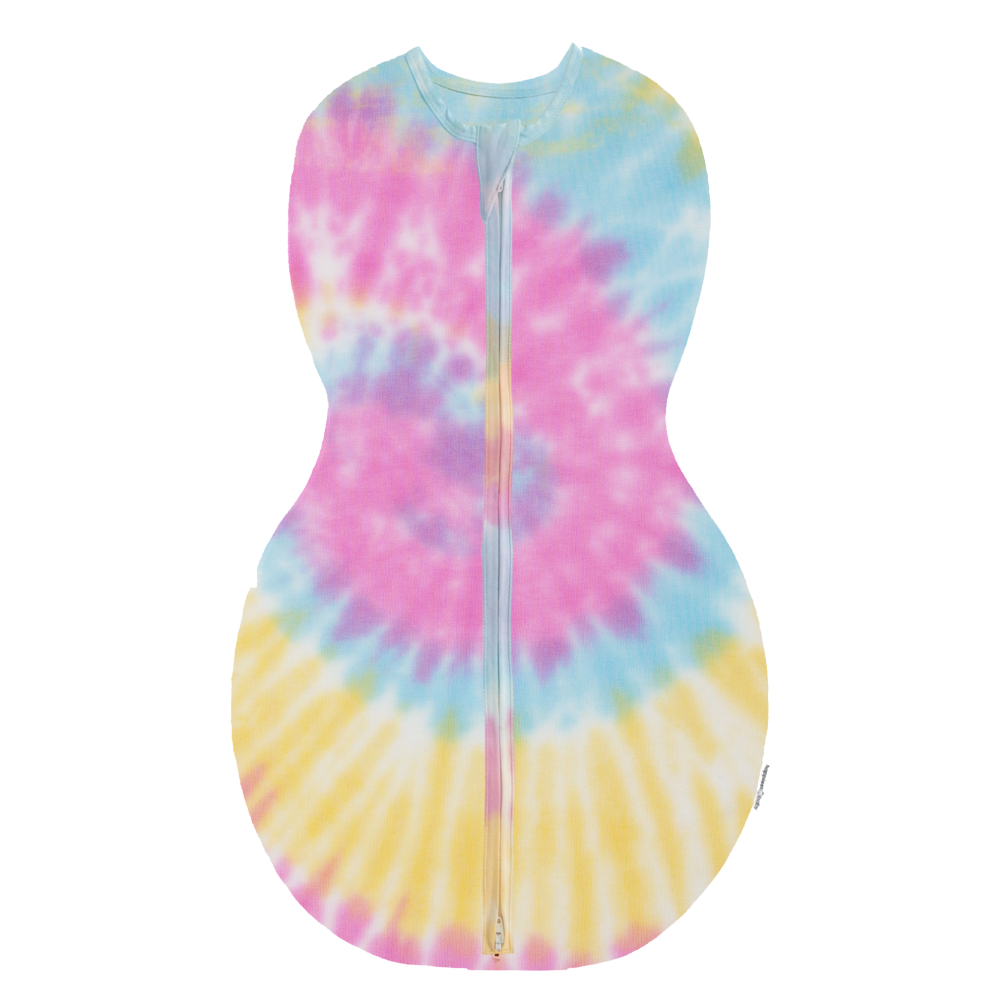
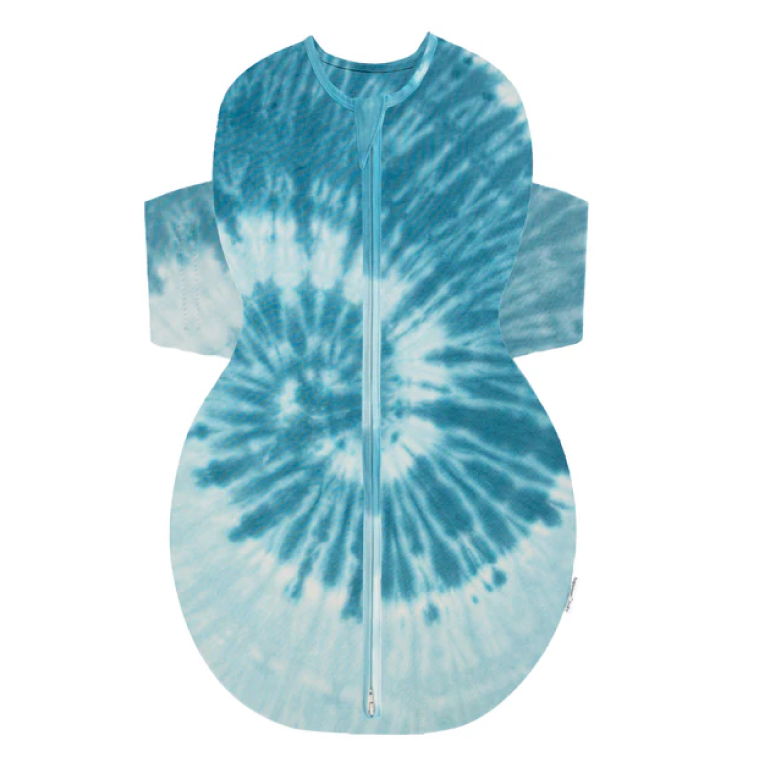
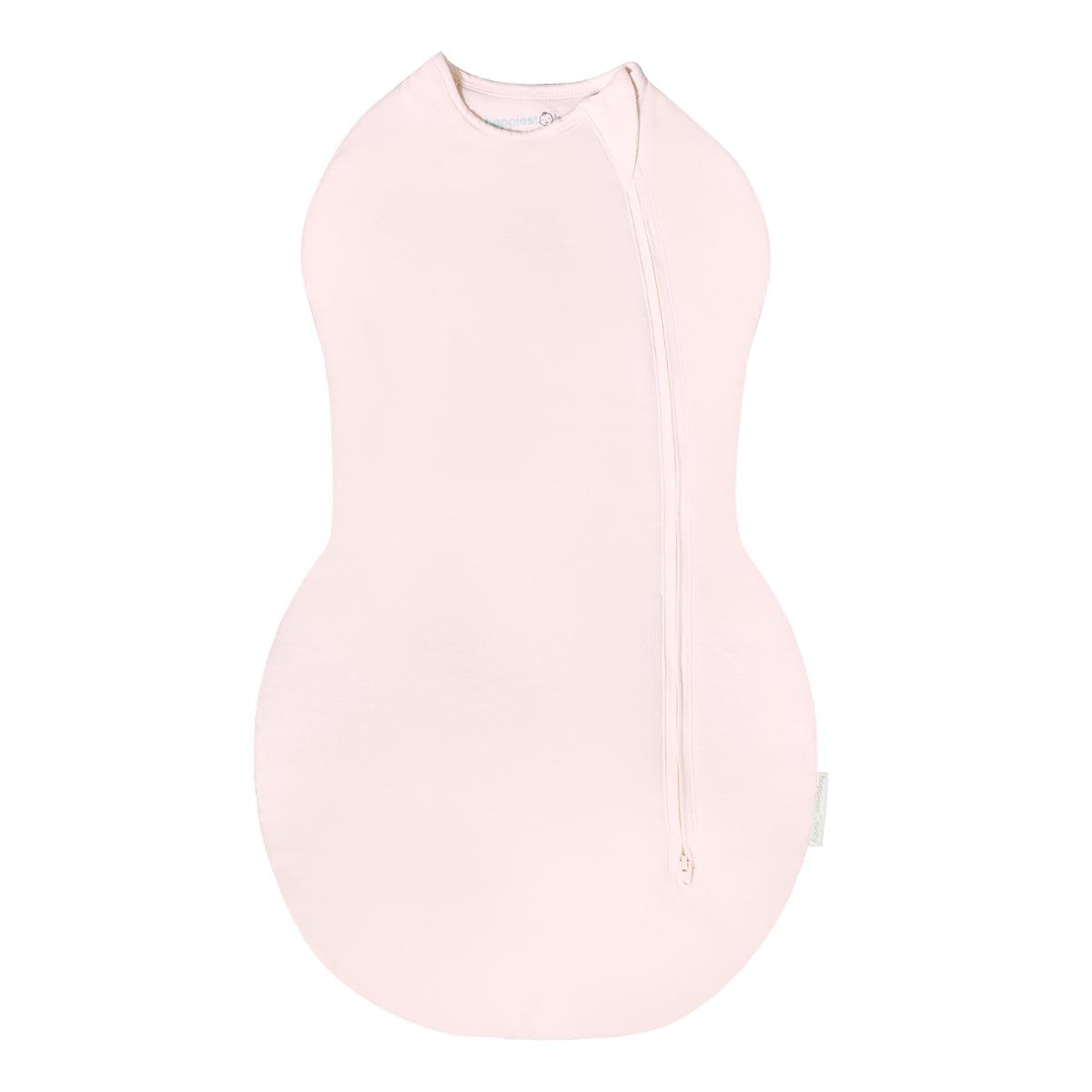
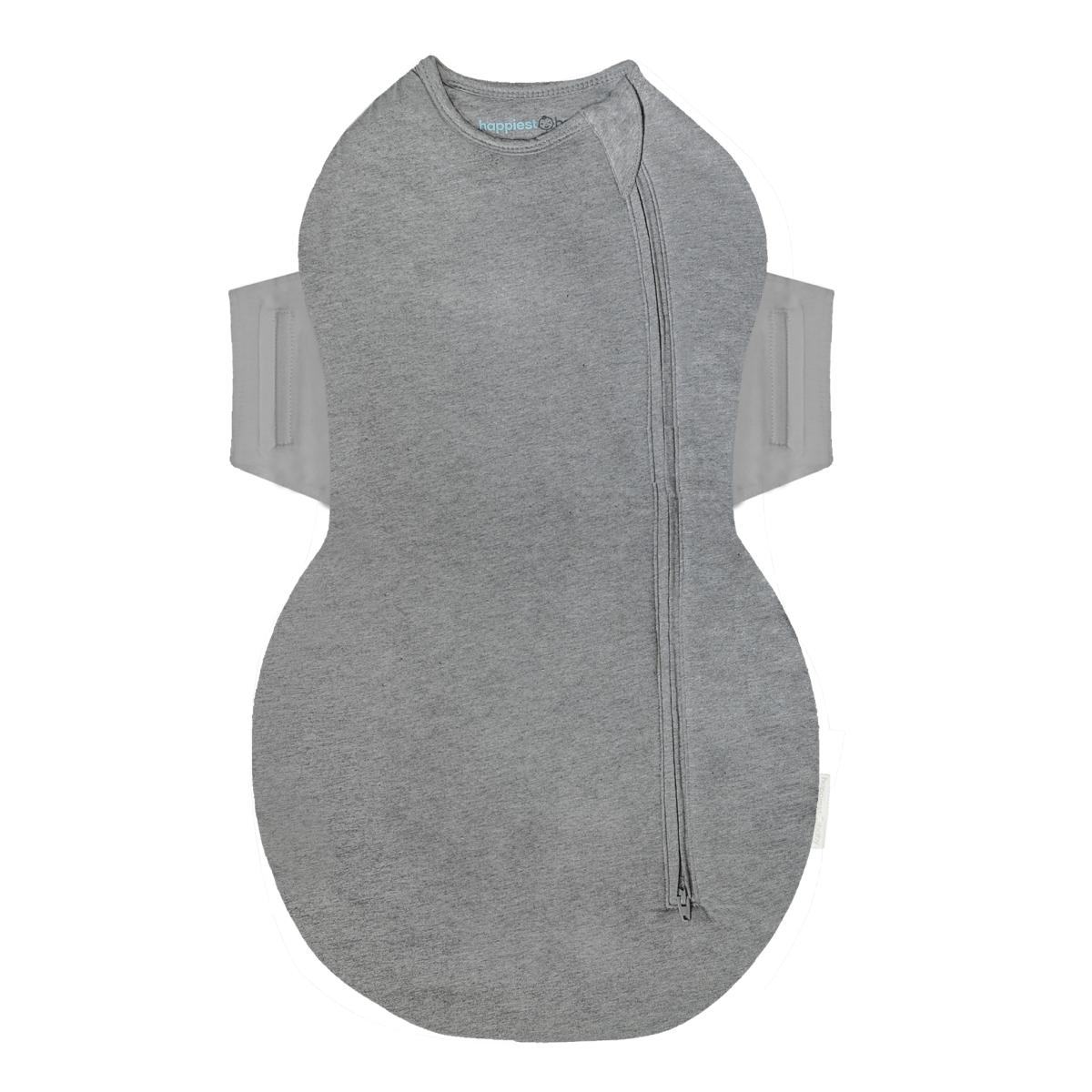
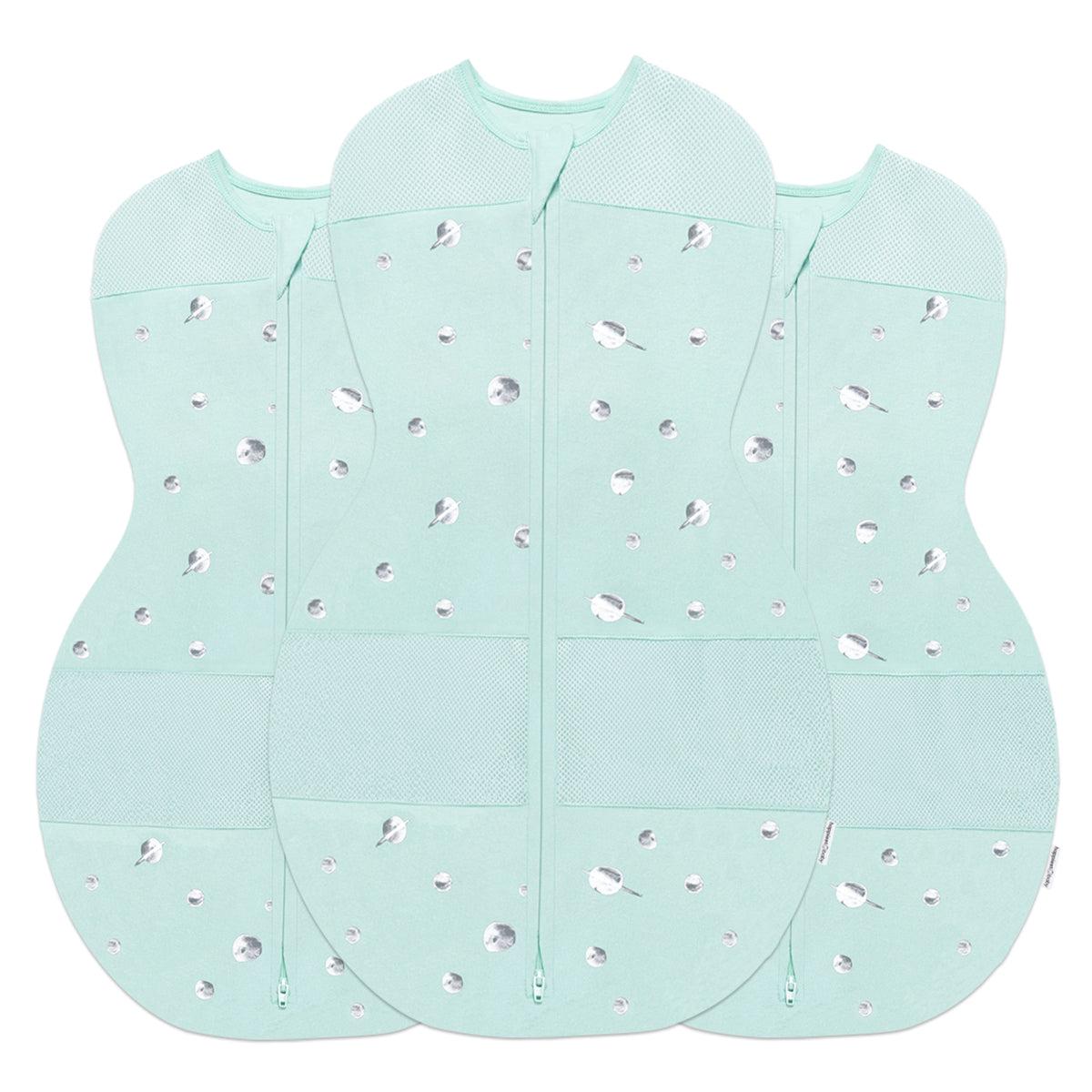
The key is to not swaddle the legs tightly together, like a cigar. ‘Hip-healthy’ wrapping holds the arms very snug but lets the knees bend, and the hips easily flex and open. (Happiest Baby's hip-safe SNOO Sack, a.k.a. the 5-second swaddle, pictured above) helps assist in swaddling!)
Causes of Hip Dysplasia in Babies:
Although the exact cause of hip dysplasia in babies is still unknown, the risk of developing hip dysplasia in babies are higher in these instances:
- Babies with a family history of hip dysplasia
- A womb position that increases pressure on the hips
- Improper positioning (e.g. unsafe swaddling and cradling)
- Breech baby delivery
- Club foot
- Torticollis
- A hip click in a newborn noted during a physical exam
Note: If your baby has a known hip risk factor, ask a healthcare provider if you should use a nappy to keep your baby’s hips open for extra protection against hip dysplasia in babies. In fact, according to the International Hip Dysplasia Institute, babies are 12 times more likely to exhibit signs of hip dysplasia when there is a family history of it.
Final Thoughts: Can Swaddling Cause Hip Dysplasia?
Although improper swaddling can increase the risk of hip dysplasia in babies under 1 year (due to the softness of their joints and bones), the proper swaddling technique will promote healthy hip development and decrease the risk for hip dysplasia. But if you want to take the guesswork out of swaddling, the Sleepea Swaddle helps assist with safe swaddling in seconds. Learn more.
Disclaimer: The information on our site is NOT medical advice for any specific person or condition. It is only meant as general information. If you have any medical questions and concerns about your child or yourself, please contact your health provider. Breastmilk is the best source of nutrition for babies. It is important that, in preparation for and during breastfeeding, mothers eat a healthy, balanced diet. Combined breast- and bottle-feeding in the first weeks of life may reduce the supply of a mother's breastmilk and reversing the decision not to breastfeed is difficult. If you do decide to use infant formula, you should follow instructions carefully.






SHARE THIS ARTICLE
PARENT PICKS
Bestsellers