BABY
How 'State Control' May Impact Your Baby's Sleep
Your baby's emotions could be affecting her sleep.

Written by
Dr. Harvey Karp
Baby States of Alertness and Their Effect on Sleep
‘My 1-month-old is so much fun to watch,’ said Britta. ‘Bobby’s little lip quivers when he is upset. He is clearly trying to hold back the flood of tears, and he can go a long time making a silly meow-type cry before he loses the battle and goes ballistic.’
If temperament is the sea your little one sails on, state control tells you how steady (or jumpy) their boat is. Can your little one stay asleep despite mild hunger and jarring noise? Does their fussing always lead to an escalating upset, or can they usually settle down from crying…all by themself?
These are signs of your baby’s state control, or states of alertness.
In this context, the word state refers to a baby’s level of alertness. Your baby spends the day moving between six states of gradually increasing awakeness and vigor: deep sleep, light sleep, drowsiness, quiet alertness, fussiness, and screaming. Smoothly controlling these (not jumping from one to another) is one of their brain’s first big jobs.
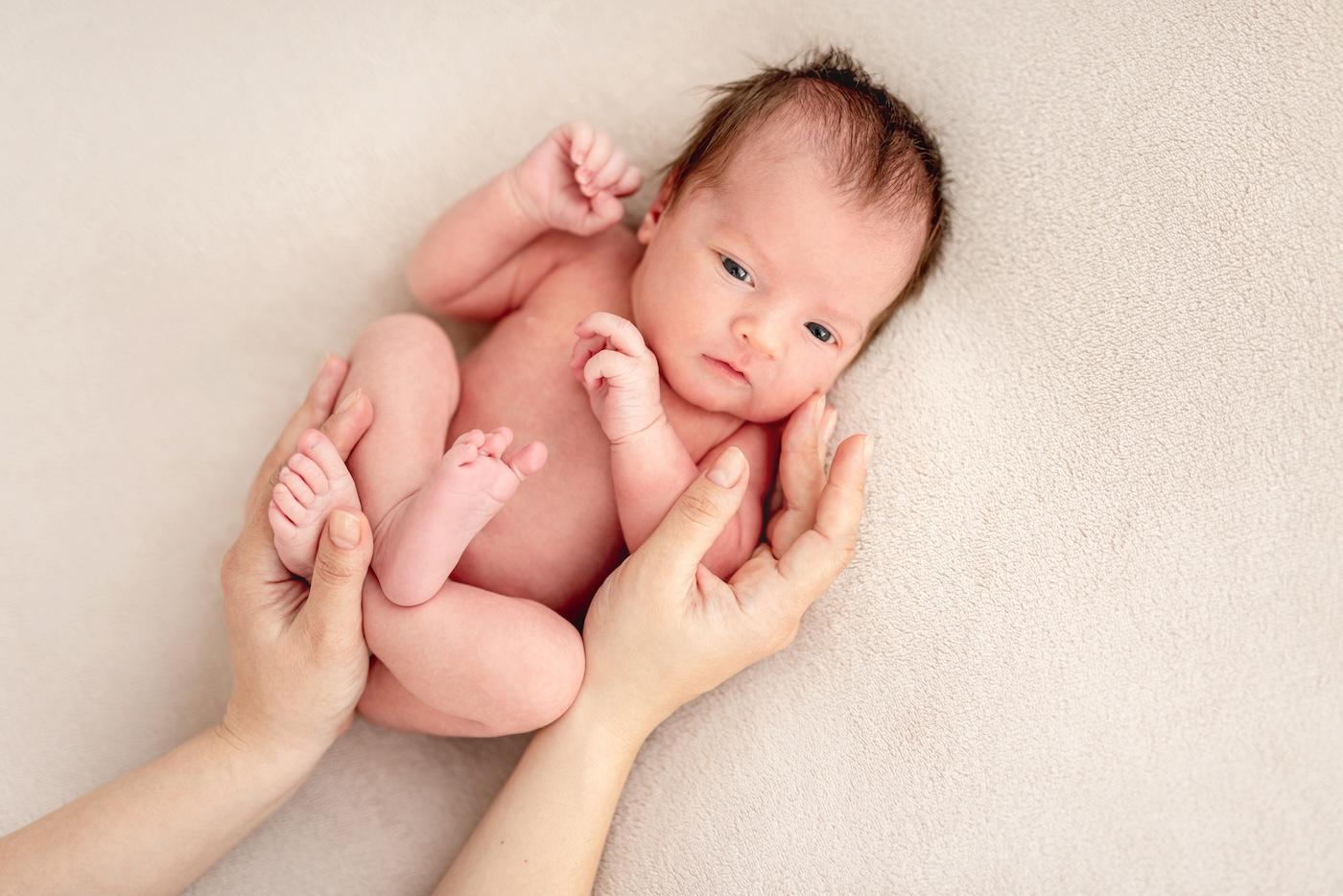
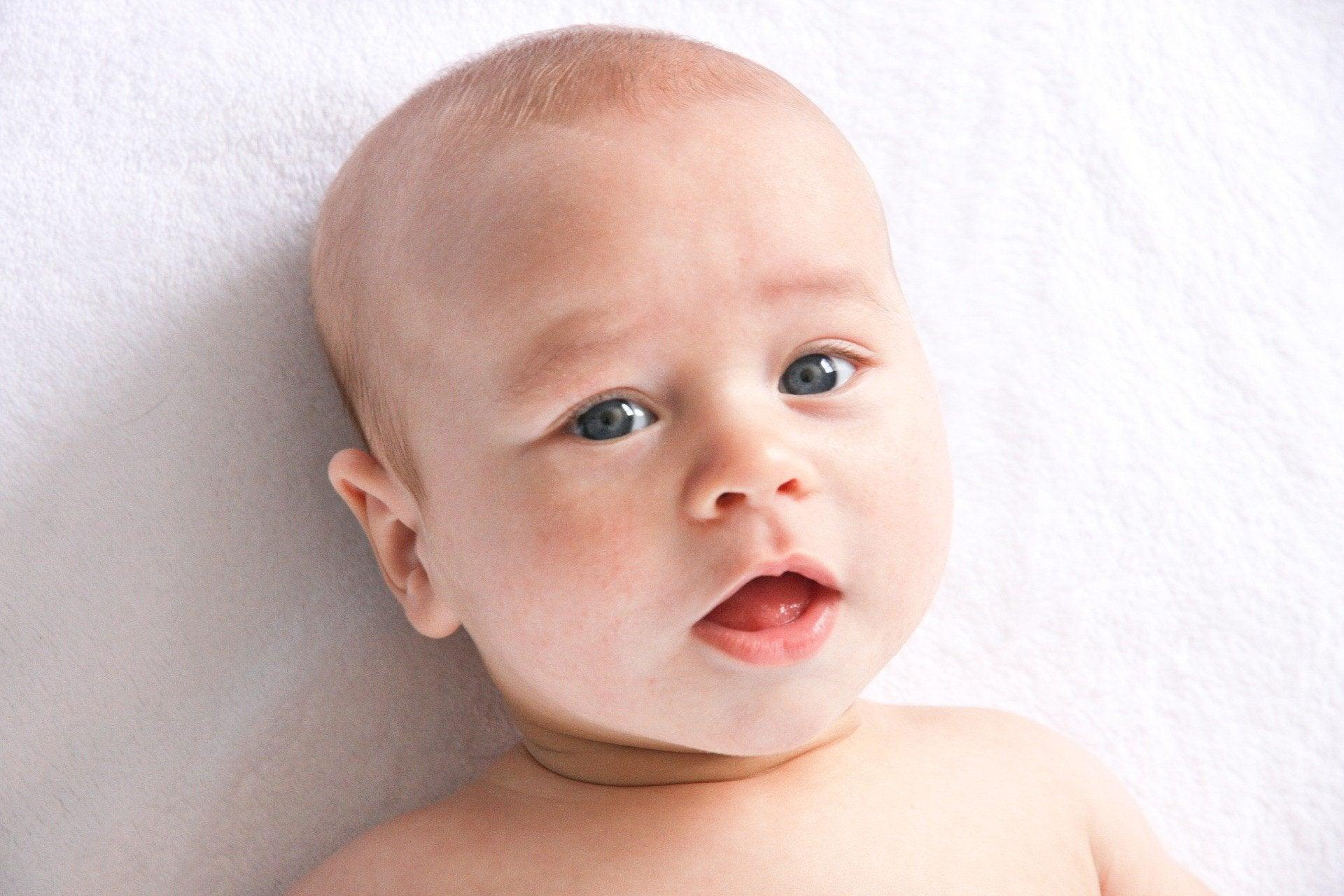
(Notice that right in the middle of the six is quiet alertness. In this magical state your baby’s eyes will be bright and open and their face will be relaxed as they thoughtfully study the sights all around them.)
Good ‘self-calmers’ gracefully shift between sleep and alertness and are surprisingly good at gearing down from fussing to quiet…all on their own. And when the world gets too wild, they have an uncanny ability to protect themselves from getting overwhelmed: They stare into space, look away (as we do at a scary film), or simply retreat into sleep.
How Good State Control Helps Babies Stay Asleep
This little experiment shows how your baby’s state control is the secret to their amazing ‘sleep anywhere, anytime’ ability.
Get a flashlight and tiptoe in while your baby is sleeping. Shine the light right on their closed eyes for one to two seconds. They will probably tighten their closed eyes, stir a bit, and breathe faster (or maybe even startle).
Wait a few seconds to allow them to settle back into sleep then shine the light on their eyes again. They will probably react as before, or slightly less.
Repeat this a few times and you will see something very interesting: After three or four flashes, their responses will lessen greatly, and after three or four more, they may have no reaction at all. That is a sign that state control is protecting them by stopping their brain from paying attention to the light!
Clearly, your baby’s brain does not ‘shut off’ during sleep. It is still working, doing its best to ignore disturbances. Many of the tricks you will learn on our website are designed to boost state control and help your baby tune out distractions and stay settled in peaceful sleep.
Why Babies with Poor Control Over Their States of Alertness Need More Help Sleeping
On the other hand, some babies have unsteady, immature state control. They startle a lot, and they have trouble screening out even normal commotions. Their shrieks are often their way of begging for help: ‘Please…pick me up…the world is too big!’
For decades, healthcare professionals have known that these babies desperately need swaddling, shushing, and rocking. Infants with poor state control depend on us to keep their calming reflex turned on until they get old enough to settle their crying jags on their own.
State control also explains one more mystery: why many babies cry more around supper (the so-called witching hour). Late in the day, babies with shaky state control just cannot ‘keep it together’ after a full day of exciting activity (and far too little soothing holding, rocking, and sucking). Their ability to keep their boat steady gets overwhelmed, and they just disintegrate into tearful, flailing furies.
The Bottom Line on Baby States of Alertness
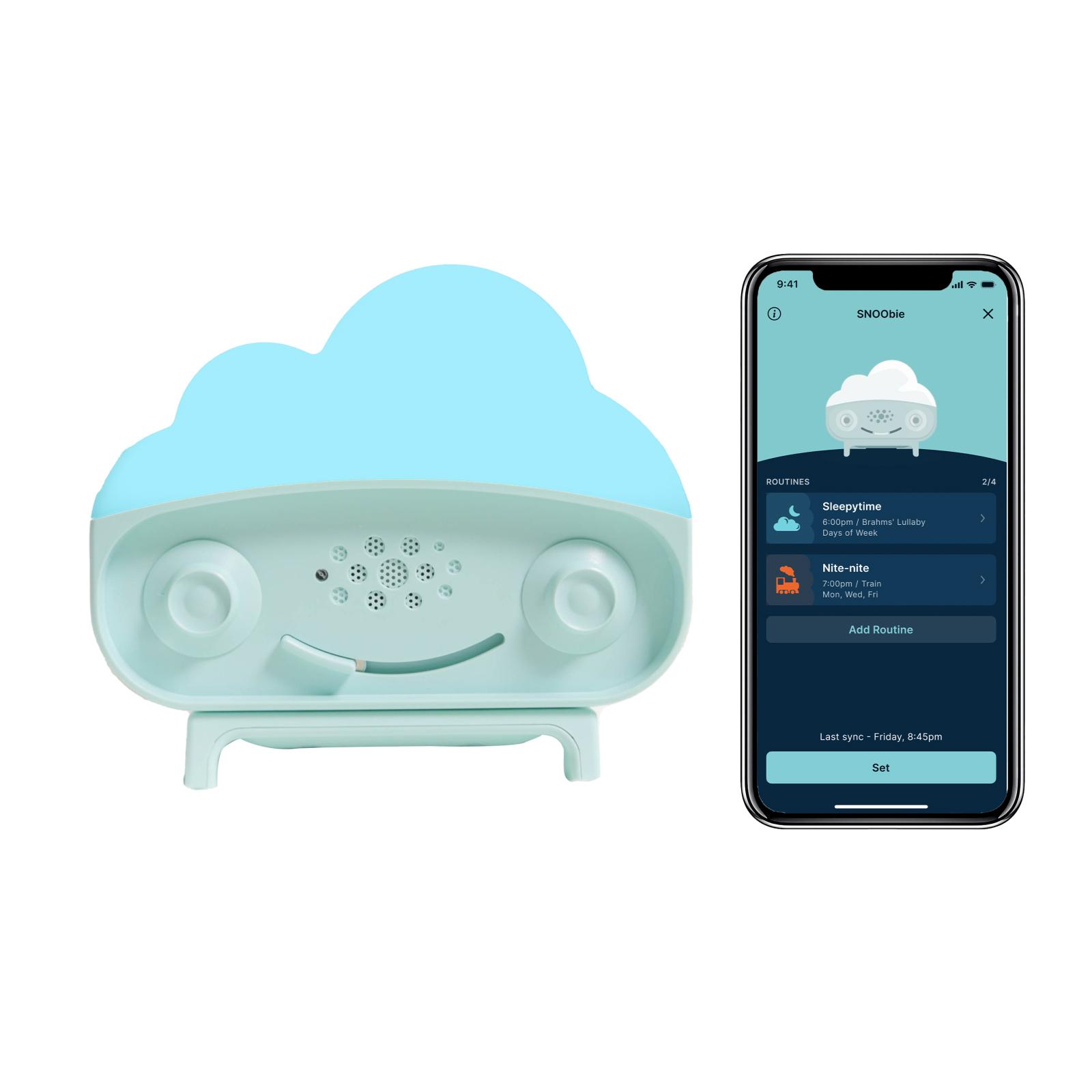
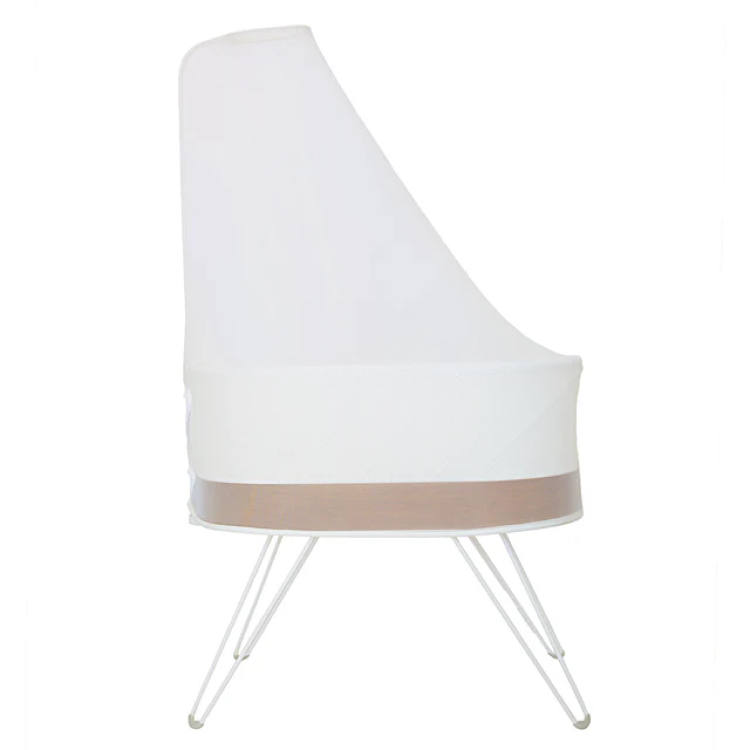
Do not worry if your baby has poor state control; they will grow out of it. But it does mean that you as a parent might need to work harder to calm them to sleep. Fortunately, the 5 S’s (or SNOO) will help even the most jittery baby become a sound sleeper.
Disclaimer: The information on our site is NOT medical advice for any specific person or condition. It is only meant as general information. If you have any medical questions and concerns about your child or yourself, please contact your health provider. Breastmilk is the best source of nutrition for babies. It is important that, in preparation for and during breastfeeding, mothers eat a healthy, balanced diet. Combined breast- and bottle-feeding in the first weeks of life may reduce the supply of a mother's breastmilk and reversing the decision not to breastfeed is difficult. If you do decide to use infant formula, you should follow instructions carefully.






SHARE THIS ARTICLE
PARENT PICKS
Bestsellers