BABY
How Much Should a Newborn Sleep?
Many parents are surprised by their newborn's snooze pattern.

Written by
Dr. Harvey Karp

How long do newborns sleep? That's a great question! Babies may be too small to compete in the Olympics, but they definitely hold the world’s record for championship sleeping. Learn what you can expect from your little one.
How many hours do newborns sleep?
With an average of 16 hours a day (and, rarely, up to 20!), newborn infants rack up more snoozing than at any other time in life. But don't let those big numbers fool you! You’d think that 16 hours of baby sleep would leave you tons of free time every day. But newborn sleep is shredded into confetti-like bits sprinkled throughout the light and night. It’s like winning the lottery—but getting paid in pennies.
And if your baby only needs 12 or 13 hours of sleep per day, it’s even crazier. Between feeding, bathing, diaper changes, and calming crying—it can feel like you never get a break. And, of top of it all, many parents are surprised by their newborn’s sleep pattern.
What do newborn sleep patterns look like?
During the first day of life, most babies are alert for about an hour, and then they can fall into deep sleep for 12 to 18 hours. (Like new parents, new babies are exhausted by the whole ordeal!)
Once you bring your newborn home, you should cuddle your baby (skin-to-skin is great) and offer feedings—but even if your baby suckles, the breasts contain very little milk on the first day. Don’t worry! Your early breastmilk called colostrum is rich in protein, antibodies, and nutrients to get your baby off to a great start. Additionally, like a little camel, your baby is born with an extra pound of food and water in her body.
Over the next day or so, your baby will become increasingly awake and begin the classic pattern—awake for 1 to 2 hours, then sleeping for 2 or 4—that will dominate your baby's life for the first month.
To better understand your baby's sleep patterns, it's a good idea to read up on infant sleep cycles. Once you begin to learn your little one's sleep patterns, the better equipped you'll be to get rest yourself!
Is my newborn sleeping too much?
As mentioned above, most newborns sleep quite a bit. However, their sleep tends to be in short bursts of 30 minutes to an hour, and up to 3- to 4-hour stretches. They’ll often continue on this pattern for 14 to 19 hours a day. Most babies do not have a regular sleep schedule until they are around 6 months old.
What should a newborn sleep in?
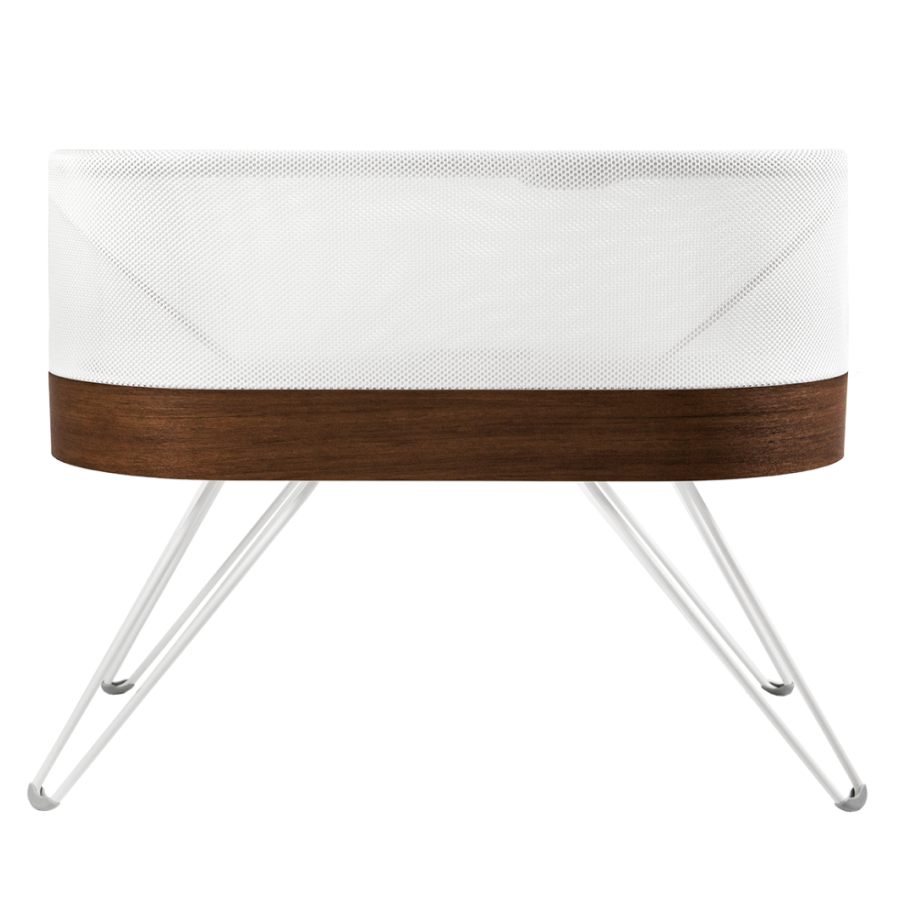
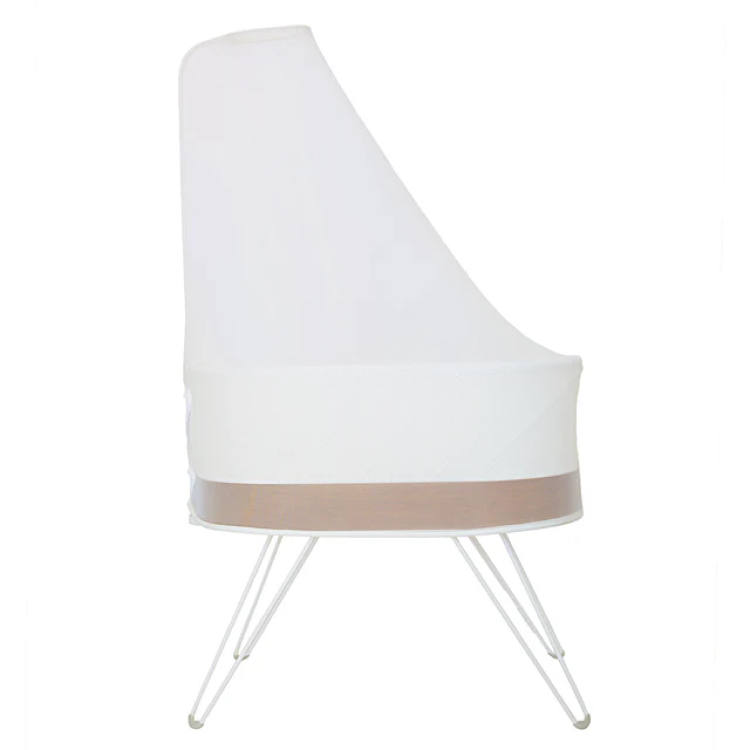
All babies need to sleep one their back and in their own dedicated sleep space—like a cot or bassinet—that's free potential hazards, such as loose or soft blankets, bumper pads, and stuffed toys. Personally, I recommend newborns sleep in my SNOO baby bassinet, which keeps Baby safely swaddled on their back, while rocking them at various speeds, and using soft white noise to aid a baby's sleep.
Disclaimer: The information on our site is NOT medical advice for any specific person or condition. It is only meant as general information. If you have any medical questions and concerns about your child or yourself, please contact your health provider. Breastmilk is the best source of nutrition for babies. It is important that, in preparation for and during breastfeeding, mothers eat a healthy, balanced diet. Combined breast- and bottle-feeding in the first weeks of life may reduce the supply of a mother's breastmilk and reversing the decision not to breastfeed is difficult. If you do decide to use infant formula, you should follow instructions carefully.






SHARE THIS ARTICLE
PARENT PICKS
Bestsellers