TROVACI SUI SOCIAL

Facebook linkYoutube linkInstagram linkTwitter link
View post on Instagram
 
View post on Instagram
 
View post on Instagram
 
View post on Instagram
 
View post on Instagram
 
View post on Instagram
 
View post on Instagram
 
View post on Instagram
 
View post on Instagram
 
View post on Instagram
 

Unisciti alla Famiglia,

Rimani informato

UNISCITI ALLA NOSTRA COMMUNITY

Iscriviti per ricevere consigli utili, offerte e molto altro!

RIGUARDO

Missione e FondatoriI 5 SBlog

SUPPORTO

FAQRegistrazione del prodottoCosti, spedizione e resiPortale per i ResiContattaci

COMUNITÀ

AffiliatiPartner Autorizzati

LEGALE

Termini di venditaInformativa sulla privacyCookie PolicyTermini di servizioEULAGaranzia limitata SNOONote legaliDiritto di recessoPreferenze sui cookieTutti i termini legali

NEGOZIO

SNOO Smart SleeperFascia SleepeaOrsacchiotto SNOObear con rumore bianco calmanteSNOObie Ciuccio Intelligente

© 2025 Happiest Baby, Inc. | Tutti i diritti riservati

Tutti i marchi di terze parti (inclusi nomi, loghi e icone) menzionati da Happiest Baby rimangono di proprietà dei rispettivi titolari. A meno che non sia espressamente indicato, l'uso da parte di Happiest Baby di marchi di terze parti non indica alcun rapporto, sponsorizzazione o approvazione tra Happiest Baby e i titolari di tali marchi. Qualsiasi riferimento da parte di Happiest Baby a marchi di terze parti è destinato a identificare i beni e/o i servizi corrispondenti e sarà considerato un uso nominativo ai sensi della legge sui marchi.

    Happiest Baby
    BLOG
    FAQS

    BABY

    It is a Myth That Lactose Intolerance in Babies Causes Colic

    Lactose intolerance in adults is quite common...why wouldn't it aggravate infants?

    Dr. Harvey Karp

    Scritto da

    Dr. Harvey Karp

    CONDIVIDI QUESTO ARTICOLO

    Condividi su FacebookCondividi su TwitterCondividi su LinkedinCondividi su PinterestCondividi via e-mailCopia il link negli appunti
    lactose intolerance in babies

    IN QUESTA PAGINA

    • Does Lactose Intolerance in Infants Cause Colic?
    • Lactose for Babies Is Not the Enemy
    • Lactose Intolerance Symptoms in Babies
    • Final Thoughts: Lactose Intolerance in Babies and Colic

    CONDIVIDI QUESTO ARTICOLO

    Condividi su FacebookCondividi su TwitterCondividi su LinkedinCondividi su PinterestCondividi via e-mailCopia il link negli appunti

    SCELTE DEI GENITORI

    Bestseller

    Culla intelligente SNOO

    SNOO Smart Sleeper Baby Cot

    1395,00 €

    Slepea copertina per bebé in 5 secondi arcobaleno

    Sleepea® 5-Second Baby Swaddle

    32,95 €

    Sacco nanna SNOO 100% biologico blu tie-dye

    100% Organic SNOO Sleep Sack

    34,95 €

    SNOObie® Smart Soother

    69,95 €

    SNOObear di colore cacao lana

    SNOObear® 3-in-1 White Noise Lovey

    54,95 €

    Culla intelligente SNOO con rete anti-zanzare attaccata

    Shoo Mosquito Net

    88,00 €

    Nuvole di Sky Mobile

    Sky Mobile

    89,95 €

    Lenzuolo per culla SNOO in cotone 100% biologico, colore blu tie-dye nella scatola

    100% Organic Cotton SNOO Baby Cot Fitted Sheet

    19,95 €

    Pacchetto di 3 lenzuola per culla SNOO in 3 colori diversi

    SNOO Organic Baby Cot Sheets 3 Pack

    €59.85

    38,90 €

    Sleepea® coperta avvolgente in colore rosa

    Sleepea® Comforter Swaddle

    42,95 €

    Sacco comforter SNOO in cotone 100% biologico di colore grafite

    100% Organic SNOO Sleep Comforter Sack

    44,95 €

    Pacchetto da 3 sacchi avvolgenti Sleepea® di colore teal pianeti

    Sleepea® Swaddle Sack 3 Pack Bundle

    €98.85

    69,20 €

    Di più su Baby

    A curled-up newborn baby

    BABY

    Che cos’è il “newborn scrunch”?

    Ecco tutto quello che c’è da sapere su questo adorabile riflesso.

    A mum and her newborn baby doing skin-to-skin

    BABY

    Why Holding Your Baby Skin-to-Skin Is So Powerful

    From regulating body temperature to promoting bonding, the benefits of skin-to-skin are profound!

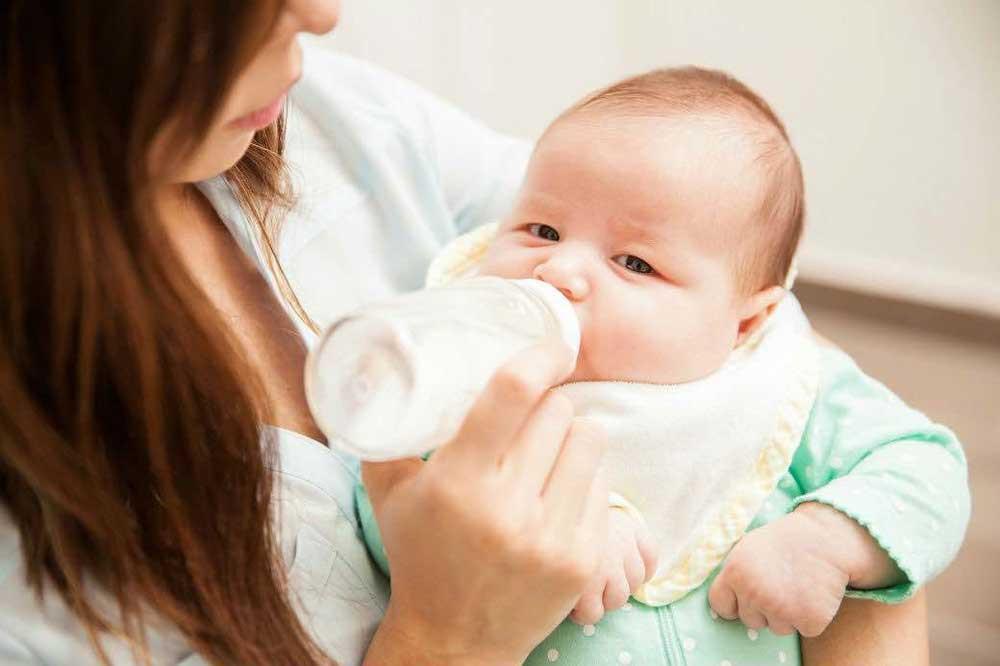
    It is not surprising that some parents wonder if lactose intolerance in babies causes colic, or persistent crying. After all, lactose intolerance in adults is quite common...why wouldn't it aggravate infants?

    Does Lactose Intolerance in Infants Cause Colic?

    Think about it: If it did, there would be no ‘witching hour.’ Lactose consumption is pretty steady throughout the day, but colicky fussing tends to peak in the evening. But allow me to explain how this theory got started, and why it is a myth.

    The lactose your baby eats is digested by the enzyme lactase in the intestine. With age, adults have less and less lactase. This makes some of us lactose intolerant causing bloating, bellyache and diarrhea after eating dairy products. This adult problem led some medical professionals to speculate that colicky babies might be suffering from stomach pain from lactose intolerance.

    Soon, the markets were flooded with lactose-free formulas (soy, lactose-free cow’s milk, and special hypoallergenic milk) and special lactase-containing colic drops…all claiming to be a cure for colic and lactose sensitivity in babies. But this multimillion-dollar promotion was based on hype not health. A Canadian study showed no improvement from lactose-free formula in colicky babies. And an Australian study found no reduction in crying when fussy infants were given lactase in their mother’s milk.

    Lactose for Babies Is Not the Enemy

    Can babies digest lactose? In most cases, yes. Lactose literally means ‘milk sugar.’ Unlike regular table sugar (sucrose) or high-fructose corn syrup, lactose is very good for infants because it improves health three different ways:

    • It is digested into glucose, the key fuel for your baby’s body…and brain.
    • It provides loads of galactose, essential for building your baby’s nervous system.
    • Any excess lactose that passes through the intestine undigested gets fermented—to gas plus a vinegar like acid—in the lower intestine. This causes frothy, acidic stools that can irritate your baby’s skin (not so nice). But the mild acid can also save your baby’s life by killing bad bacteria and boosting Lactobacillus acidophilus (fantastic!).

    Lactose Intolerance Causes in Babies

    While lactose intolerance in babies is rare, it can still occur. Lactose intolerance in babies stems from two causes:

    • Premature newborn babies are more likely to have lactose intolerance for the first few weeks after birth due to developmental lactase deficiency. Lactose intolerance in premature babies tends to go away not long after birth. 
    • Genetic lactose intolerance in babies occurs when the lactase enzyme is not passed down. This prevents them from digesting lactose at all. You will likely see symptoms, such as severe diarrhea, after the first feeding.

    If you have concerns that your baby has lactose intolerance, contact your paediatrician.

    Keep in mind that a breast milk allergy differs from lactose intolerance, and may not be diagnosed by a lactose intolerance test. To learn more, read our article on milk allergies in babies.

    Lactose Intolerance Symptoms in Babies

    Common symptoms of lactose intolerance in babies include:


    • Diarrhea with gas
    • Vomiting 
    • Excessive gassiness and bloating
    • Skin rash
    • Frequent colds

    These signs of lactose intolerance will be more or less frequent depending on the amount of lactose consumed by your baby. Since these symptoms are very common in newborn babies and infants, we recommend checking with your paediatrician for an accurate evaluation.

    [Read More: Baby Poo Guide]

    Final Thoughts: Lactose Intolerance in Babies and Colic

    For colicky babies, try the 5 S’s and other tips in our Happiest Baby on the Block video to calm your baby fast and help promote longer and healthier sleep. If the fussiness persists, speak to your paediatrician.

    Avvertenza: Le informazioni presenti sul nostro sito NON sono consigli medici per alcuna persona specifica o condizione. Sono solo intese come informazioni generali. Se avete domande o preoccupazioni mediche riguardo vostro figlio o voi stessi, si prega di contattare il vostro fornitore di assistenza sanitaria. Il latte materno è la migliore fonte di nutrizione per i neonati. È importante che, in preparazione e durante l'allattamento al seno, le madri seguano una dieta sana ed equilibrata. L'allattamento misto (seno e biberon) nelle prime settimane di vita può ridurre la produzione di latte materno e la decisione di non allattare al seno può essere difficile da invertire. Se decidete di utilizzare il latte artificiale per neonati, dovreste seguire attentamente le istruzioni.

    Principali notizie

    Il dottor Harvey Karp utilizza i 5 S per calmare un bambino irritabile

    BAMBINO

    I 5 S per calmare i neonati

    Un neonato nel Quarto Trimestre

    BAMBINO

    Cos'è il quarto trimestre?

    Neonato che dorme

    BAMBINO

    Benefici del rumore bianco per i neonati

    A baby with a pacifier

    BAMBINO PICCOLO

    Come e Quando Smettere di Usare il Ciuccio

    Mother holds baby during the 3- to 4-month sleep regression

    BAMBINO

    Non farti cogliere alla sprovvista dalla regressione del sonno di 3-4 mesi

    Una madre dà al suo neonato un pasto onirico

    BAMBINO

    Cos'è l'allattamento notturno?...E come si fa?