BABY
Whooping Cough on the Rise: What Parents Need to Know
The highly contagious respiratory illness is making an unwelcome comeback.

Written by
Happiest Baby Staff
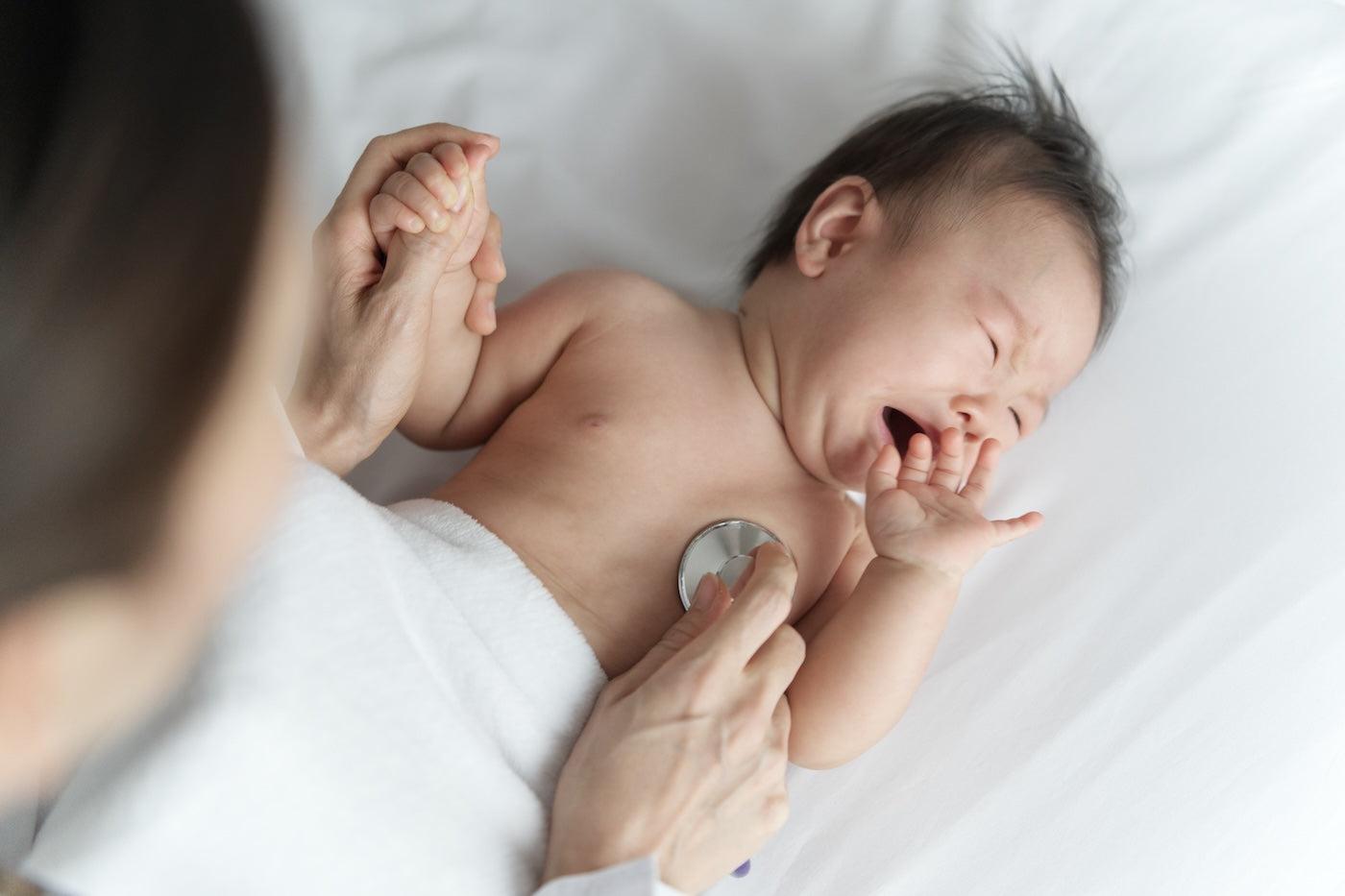
After living through the height the pandemic, maybe you still reflexively flinch when someone across the room starts hacking. Or maybe you feel extra self-conscious when you let out your own little bark in public. And now there’s another reason for the sound of coughing to put us on high alert.
Recently health experts have seen a concerning surge in cases of whooping cough, also known as pertussis. This highly contagious respiratory illness, which was once well-controlled through immunisation, has made an unwelcome comeback in certain areas.
As parents of young children, it’s critical to understand what whooping cough is, how it spreads, and how you can protect your little ones from this serious disease. Let’s dive into whooping cough, its symptoms, and what you can do to keep this nasty illness at bay.
What is whooping cough?
Whooping cough is a bacterial infection caused by Bordetella pertussis. This infection affects the respiratory tract, leading to severe coughing fits that can last for weeks or even months. It gets its name from the "whooping" sound made when people with the illness inhale deeply after a coughing fit.
Why Whooping Cough Can Be So Dangerous
While it can affect anyone, young children—especially infants—are at the highest risk, as their immune systems are still developing.
Babies with whooping cough can struggle to breathe, which can lead to a lack of oxygen in their tiny bodies. This is why it's so crucial to recognise the signs and get medical help early. The illness can lead to severe complications, such as pneumonia, seizures, and in extreme cases, brain damage or even be life-threatening—particularly for babies under six months old. In fact, about 50% of infants under 1 year who contract whooping cough require hospitalisation. Babies under two months of age are at the highest risk since they are not yet old enough to receive their first dose of the DTaP vaccine (the vaccine that protects against diphtheria, tetanus, and pertussis).
Is whooping cough contagious?
Yes, whooping cough is highly contagious! The infection spreads through droplets in the air when an infected person coughs, sneezes, or talks. That’s why close contact with an infected person can cause the illness to quickly zip through households, schools, and childcares.
Plus, pertussis is most contagious during the first two weeks of infection. This presents a real challenge because those early signs look a lot like the common cold, which leads people to spread whooping cough to others before they even realise they’re seriously sick!
What are the symptoms of whooping cough?
Whooping cough tends to progress in three stages:
- Catarrhal stage: At first, whooping cough symptoms are cold-like (think: mild coughing, sneezing, runny nose, and low-grade fever). This stage usually lasts one to two weeks.
- Paroxysmal stage: Now the characteristic coughing fits begin. The coughs are rapid and followed by a high-pitched “whoop” sound when the person breathes in. Babies may not make the whooping sound but will struggle to catch their breath. This stage can last from one to six weeks.
- Convalescent stage: This is the recovery phase, where the cough gradually becomes less severe, though mild coughing may persist for weeks…or even months.
How long does whooping cough last?
Whooping cough often lasts several weeks to a few months. Even after treatment, the persistent cough may linger as the body works to heal. On average, the illness lasts about six weeks, but for some, it can stretch out even longer.
How is whooping cough diagnosed?
Typically diagnosing pertussis involves reviewing symptoms and then swabbing the throat or nose to look for Bordetella pertussis. Sometimes, blood tests or chest X-rays might be necessary to check for complications, especially for very young patients and those with severe symptoms.
How is whooping cough treated?
Early treatment is key when it comes to whooping cough. Antibiotics help dial back serious symptoms and prevent its spread to others…just keep in mind that they may not stop the cough entirely, especially in the later stages of sickness. For babies, hospitalisation is sometimes necessary when little ones are experiencing breathing difficulties or other complications.
How to Prevent Whooping Cough
Hands down, immunisation is the best defense against whooping cough! The DTaP vaccine is given as part of the 6-in-1 vaccine
in a series of three doses, at 8 weeks, 12 weeks, and 16 weeks of age, with a booster shot given as part of the 4-in-1 vaccine later in childhood.
For adults, a Tdap booster (which also protects against tetanus and diphtheria) is recommended, especially for pregnant people, who can pass on protection to their newborns. Vaccination during pregnancy reduces the risk of pertussis in young infants by 90%!
And don’t be shy about asking your loved ones if they’re up-to-date on their vaccines before you let them cuddle your new bundle! When everybody’s immunised, it helps create a “cocoon” of protection around your infant.
Additionally, if your child is sick, keep them home from childcare or primary school for 21 days after the start of their cough, or until they have received 5 days of antibiotic treatment.
When to Call the Doctor About Whooping Cough
Signs that require an immediate trip to the doctor include:
- Struggling to breathe
- Turning blue or purple during coughing fits
- Vomiting after coughing
- Severe fatigue after coughing
If your child has been exposed to whooping cough or is showing symptoms, contact your paediatrician immediately. Don’t wait to seek medical care if your baby is under 6 months old, since they’re at such a high risk for complications!
More on Childhood Illnesses:
- What to Know About RSV in Babies
- How to Treat Cold and Flu in Newborns
- Hand-Foot-Mouth Disease: What Parents Should Know
- Fifth Disease in Babies and Kids
***
REFERENCES
- UK Government: Pertussis Epidemiology in England 2024 – Confirmed Cases of Pertussis in England by Month
- NHS Inform: Whooping Cough – Illnesses and Conditions
- NHS Inform: Whooping Cough Vaccine
- NHS Inform: The 6-in-1 Vaccine – Immunisation
- NHS Inform: The 4-in-1 Vaccine – Immunisation
- NHS: NHS Vaccinations and When to Have Them
- Centers for Disease Control and Prevention (CDC): Pertussis (Whooping Cough) – About
- KidsHealth: Whooping Cough
- American Academy of Pediatrics (AAP): Healthy Children – Whooping Cough
- Centers for Disease Control and Prevention (CDC): Pertussis – Clinical Signs
- Pediatric Care Online: Pertussis (Whooping Cough)
- Centers for Disease Control and Prevention (CDC): Pertussis – Signs and Symptoms
- Centers for Disease Control and Prevention (CDC): Pertussis – Clinical Overview
- Mayo Clinic: Whooping Cough (Pertussis)
- MedlinePlus: Whooping Cough
- FamilyDoctor.org: Whooping Cough
- Centers for Disease Control and Prevention (CDC): Pertussis – Treatment
- Centers for Disease Control and Prevention (CDC): Pertussis – Vaccines
- Centers for Disease Control and Prevention (CDC): Immunization Schedules for Parents of Children 0-6 Years
Disclaimer: The information on our site is NOT medical advice for any specific person or condition. It is only meant as general information. If you have any medical questions and concerns about your child or yourself, please contact your health provider. Breastmilk is the best source of nutrition for babies. It is important that, in preparation for and during breastfeeding, mothers eat a healthy, balanced diet. Combined breast- and bottle-feeding in the first weeks of life may reduce the supply of a mother's breastmilk and reversing the decision not to breastfeed is difficult. If you do decide to use infant formula, you should follow instructions carefully.






SHARE THIS ARTICLE
PARENT PICKS
Bestsellers