TROVACI SUI SOCIAL

Facebook linkYoutube linkInstagram linkTwitter link
View post on Instagram
 
View post on Instagram
 
View post on Instagram
 
View post on Instagram
 
View post on Instagram
 
View post on Instagram
 
View post on Instagram
 
View post on Instagram
 
View post on Instagram
 
View post on Instagram
 

Unisciti alla Famiglia,

Rimani informato

UNISCITI ALLA NOSTRA COMMUNITY

Iscriviti per ricevere consigli utili, offerte e molto altro!

RIGUARDO

Missione e FondatoriI 5 SBlog

SUPPORTO

FAQRegistrazione del prodottoCosti, spedizione e resiPortale per i ResiContattaci

COMUNITÀ

AffiliatiPartner Autorizzati

LEGALE

Termini di venditaInformativa sulla privacyCookie PolicyTermini di servizioEULAGaranzia limitata SNOONote legaliDiritto di recessoPreferenze sui cookieTutti i termini legali

NEGOZIO

SNOO Smart SleeperFascia SleepeaOrsacchiotto SNOObear con rumore bianco calmanteSNOObie Ciuccio Intelligente

© 2026 Happiest Baby, Inc. | Tutti i diritti riservati

Tutti i marchi di terze parti (inclusi nomi, loghi e icone) menzionati da Happiest Baby rimangono di proprietà dei rispettivi titolari. A meno che non sia espressamente indicato, l'uso da parte di Happiest Baby di marchi di terze parti non indica alcun rapporto, sponsorizzazione o approvazione tra Happiest Baby e i titolari di tali marchi. Qualsiasi riferimento da parte di Happiest Baby a marchi di terze parti è destinato a identificare i beni e/o i servizi corrispondenti e sarà considerato un uso nominativo ai sensi della legge sui marchi.

    Happiest Baby
    BLOG
    FAQS

    PARENTS

    Why You Should Get Your Kid a Pet...According to Science!

    Research shows that having a pet breeds solid social-emotional skills.

    Happiest Baby Staff

    Scritto da

    Happiest Baby Staff

    CONDIVIDI QUESTO ARTICOLO

    Condividi su FacebookCondividi su TwitterCondividi su LinkedinCondividi su PinterestCondividi via e-mailCopia il link negli appunti
    Pet benefits for kids - young kids playing on bed with dog

    It is a scenario that every parent will experience at some point: Their adorable child will look at them with moony eyes and beg, plead, and argue for all the reasons why they should get a pet. And as much as it may pain you to think of all that extra work (because let us face it, who really ends up walking and feeding the puppy, right?) it turns out that science is on your kid’s side. Sorry, Mum and Dad.

    There are actually some pretty great reasons why you should cave and say yes to your kids’ most heartfelt plea for that puppy. Research indicates that nursery school-aged kids who are exposed to the daily routines and responsibilities experience fewer social-emotional problems than kids who do not have a dog at home.

    In a study published in the Journal of Pediatrics, researchers surveyed 1,642 parents about whether or not they had nursery school-aged kids and a dog at home. They asked if these kids were walking the family dog, actively playing with their dog, and how often these events took place each week. Then, they asked parents to fill out a Strengths and Difficulties Questionnaire to learn more about the relationship between the kids and the family dog. 

    As they crunched the numbers, it became apparent that there was a correlation between playing with a pet and behaviour. Kids who walked and played with Fido were 30% less likely to have behavioural conduct issues, 40% less likely to have problems relating to their same-aged peers, and 34% more likely than kids who did not experience a family dog to show 'pro-social' behavioural tendencies. So, basically, kids with dogs at home seem to be learning skills that apply to peer relationships—and that is good news!

    Related: How to Prepare Your Pet for a Baby

    Even if you are not a behavioural scientist, you may have inferred that there are some major perks to taking on a family pet. For one, tending to a fluff-ball teaches kids how to take care of another living creature, which plants the seed of stewardship. Plus, having a pet helps kids develop empathy and selflessness. When a child must feed, walk, and care for an animal, kids start to see how love and compassion benefit another being. In this way, the connection between pets and social-emotional development is kind of a no-brainer!

    It is also true that kids who help take care of a family pet get to flex their reliability and responsibility muscles. Having to feed, bathe, walk, play, and love a sweet creature no matter what else is happening in your child’s world gives them a distinct sense of control and self-reliance. It is hard to argue that those skills will not be critical when they grow up to become adults.

    So, when your child comes to you with those big eyes and that pouty lip and that incredibly thought-out argument for why they really ought to have a pet of their own…consider that they may have a point! If you are up for adding litter-box-cleaning or dog-walking to diaper duty, there are some truly marvelous ways in which having a pet may help your child become a responsible, compassionate, empathetic adult someday.

    Avvertenza: Le informazioni presenti sul nostro sito NON sono consigli medici per alcuna persona specifica o condizione. Sono solo intese come informazioni generali. Se avete domande o preoccupazioni mediche riguardo vostro figlio o voi stessi, si prega di contattare il vostro fornitore di assistenza sanitaria. Il latte materno è la migliore fonte di nutrizione per i neonati. È importante che, in preparazione e durante l'allattamento al seno, le madri seguano una dieta sana ed equilibrata. L'allattamento misto (seno e biberon) nelle prime settimane di vita può ridurre la produzione di latte materno e la decisione di non allattare al seno può essere difficile da invertire. Se decidete di utilizzare il latte artificiale per neonati, dovreste seguire attentamente le istruzioni.

    Principali notizie

    Il dottor Harvey Karp utilizza i 5 S per calmare un bambino irritabile

    BAMBINO

    I 5 S per calmare i neonati

    Un neonato nel Quarto Trimestre

    BAMBINO

    Cos'è il quarto trimestre?

    Neonato che dorme

    BAMBINO

    Benefici del rumore bianco per i neonati

    A baby with a pacifier

    BAMBINO PICCOLO

    Come e Quando Smettere di Usare il Ciuccio

    Mother holds baby during the 3- to 4-month sleep regression

    BAMBINO

    Non farti cogliere alla sprovvista dalla regressione del sonno di 3-4 mesi

    Una madre dà al suo neonato un pasto onirico

    BAMBINO

    Cos'è l'allattamento notturno?...E come si fa?

    CONDIVIDI QUESTO ARTICOLO

    Condividi su FacebookCondividi su TwitterCondividi su LinkedinCondividi su PinterestCondividi via e-mailCopia il link negli appunti

    SCELTE DEI GENITORI

    Bestseller

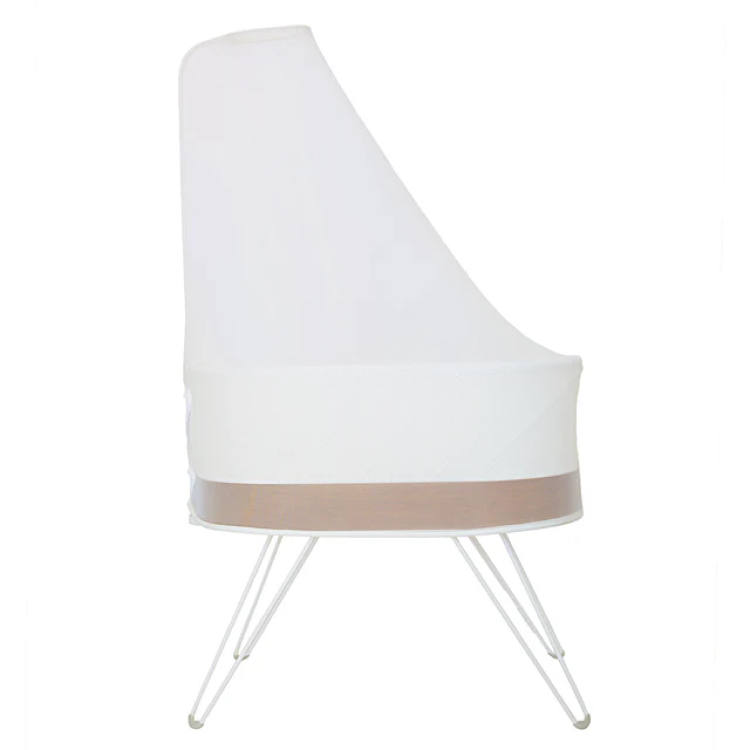
    Culla intelligente SNOO

    SNOO Smart Sleeper Baby Cot

    1395,00 €

    Slepea copertina per bebé in 5 secondi arcobaleno

    Sleepea® 5-Second Baby Swaddle

    32,95 €

    Sacco nanna SNOO 100% biologico blu tie-dye

    100% Organic SNOO Sleep Sack

    34,95 €

    SNOObie® Smart Soother

    69,95 €

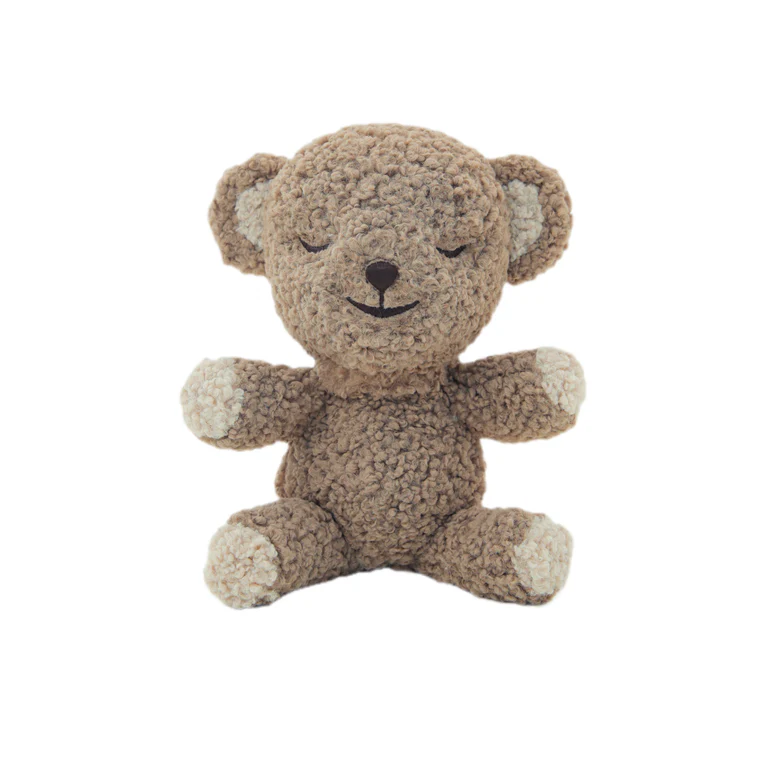
    SNOObear di colore cacao lana

    SNOObear® 3-in-1 White Noise Lovey

    54,95 €

    Culla intelligente SNOO con rete anti-zanzare attaccata

    Shoo Mosquito Net

    88,00 €

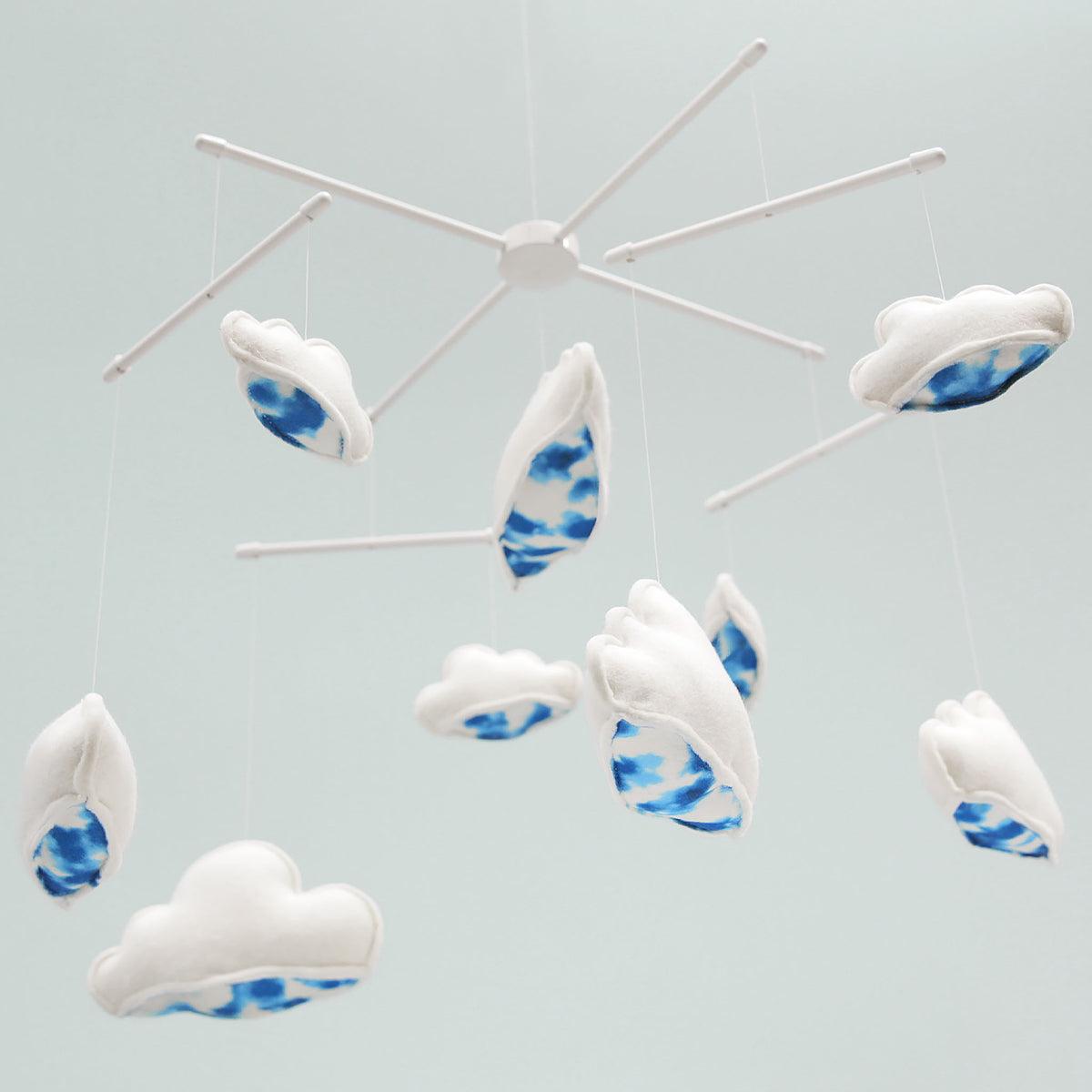
    Nuvole di Sky Mobile

    Sky Mobile

    89,95 €

    Lenzuolo per culla SNOO in cotone 100% biologico, colore blu tie-dye nella scatola

    100% Organic Cotton SNOO Baby Cot Fitted Sheet

    19,95 €

    Pacchetto di 3 lenzuola per culla SNOO in 3 colori diversi

    SNOO Organic Baby Cot Sheets 3 Pack

    €59.85

    38,90 €

    Sleepea® coperta avvolgente in colore rosa

    Sleepea® Comforter Swaddle

    42,95 €

    Sacco comforter SNOO in cotone 100% biologico di colore grafite

    100% Organic SNOO Sleep Comforter Sack

    44,95 €

    Pacchetto da 3 sacchi avvolgenti Sleepea® di colore teal pianeti

    Sleepea® Swaddle Sack 3 Pack Bundle

    €98.85

    69,20 €

    Di più su Parents

    PARENTS

    Come parlare di sonno sicuro con chi si prende cura del tuo bambino

    Siamo qui per aiutarti in quelle conversazioni un po’ imbarazzanti ma molto importanti.

    PARENTS

    Understanding Attachment Styles

    From the first sleepy snuggles to the fifteenth diaper change of the day, your baby is learning one big lesson: “When I signal, does someone come?”