PARENTS
How to Prioritize Your Sleep During Parental Leave
Everyone asks how the baby is sleeping, but it’s time to ask how you’re sleeping!

Written by
Happiest Baby Staff
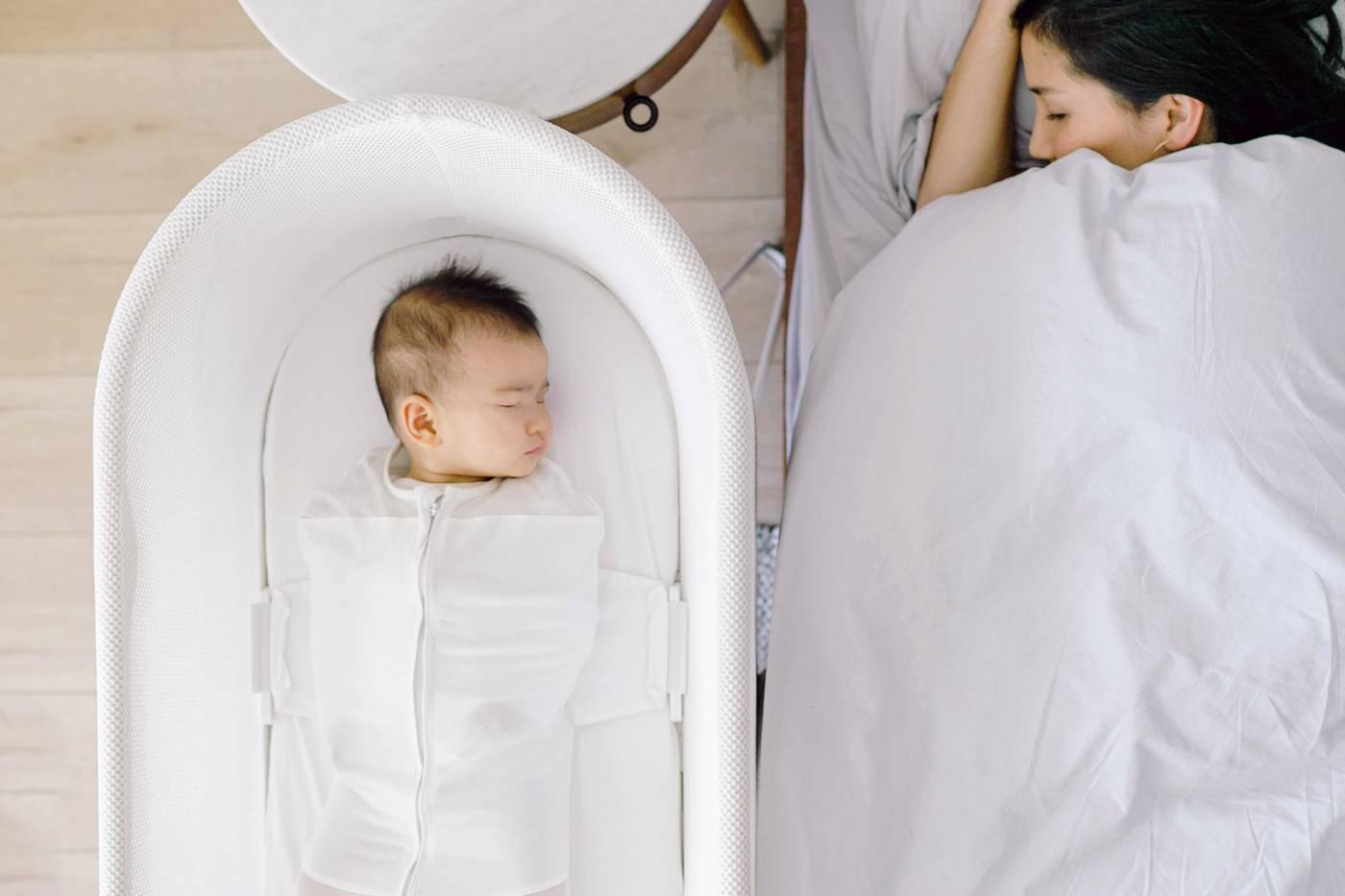
Study after study shows that paid parental leave is linked with improved relationships, less financial stress, more baby bonding, and better overall mental health. In fact, a report in the journal Social Science & Medicine found that maternity leave continues to yield significant mental health benefits for working mothers well into old age!
But just because parental leave is good for your mental health does not mean it isn’t hard on your mental health, too. You’re adjusting to a huge life change while simultaneously sleep deprived, which is a known risk factor for postnatal depression and anxiety. That’s why it’s so important to prioritise your wellbeing along with your little one’s. Here’s a little help striking that seemingly impossible balance.
Cultivate a village.
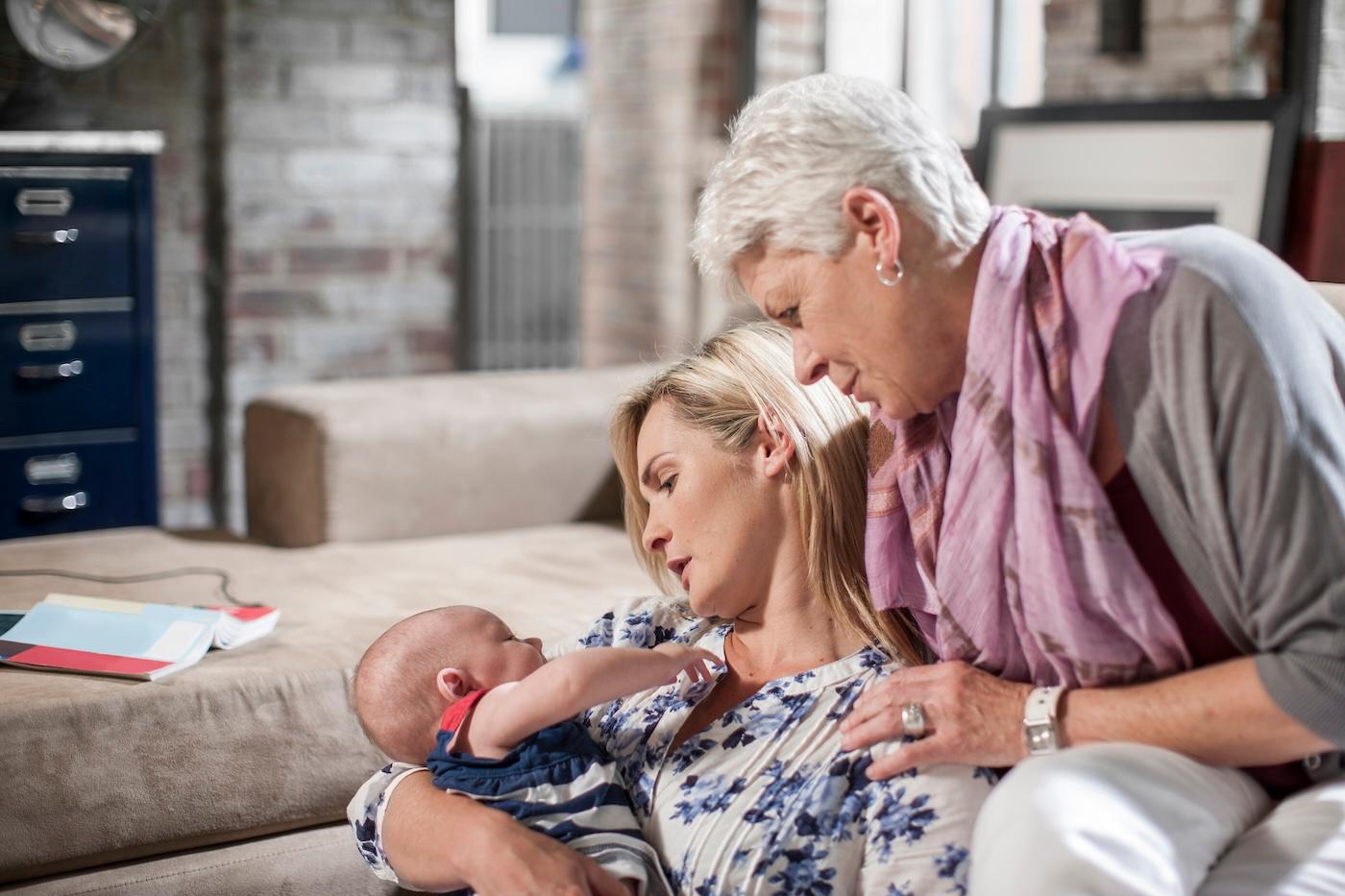
“The biggest lie that new parents believe these days is that it’s normal to go it alone,” says Dr. Harvey Karp, paediatrician and bestselling author of The Happiest Baby on the Block. “In the past, it was typical to have five or more people helping you. Your parents, grandparents, your aunts, your next door neighbour—they’d hold the baby for hours while you rested or did what you needed to do.” Today, in the absence of that army of eager helpers, you may have to be creative in order to cobble together your own village. Your support system may include:
- Babysitter
- Cleaning service
- Dog walker
- Family member
- Meal delivery service
- Mother’s helper
- Nanny
- Nearby friend
- Newborn care specialist
- Night nurse
- Postnatal doula
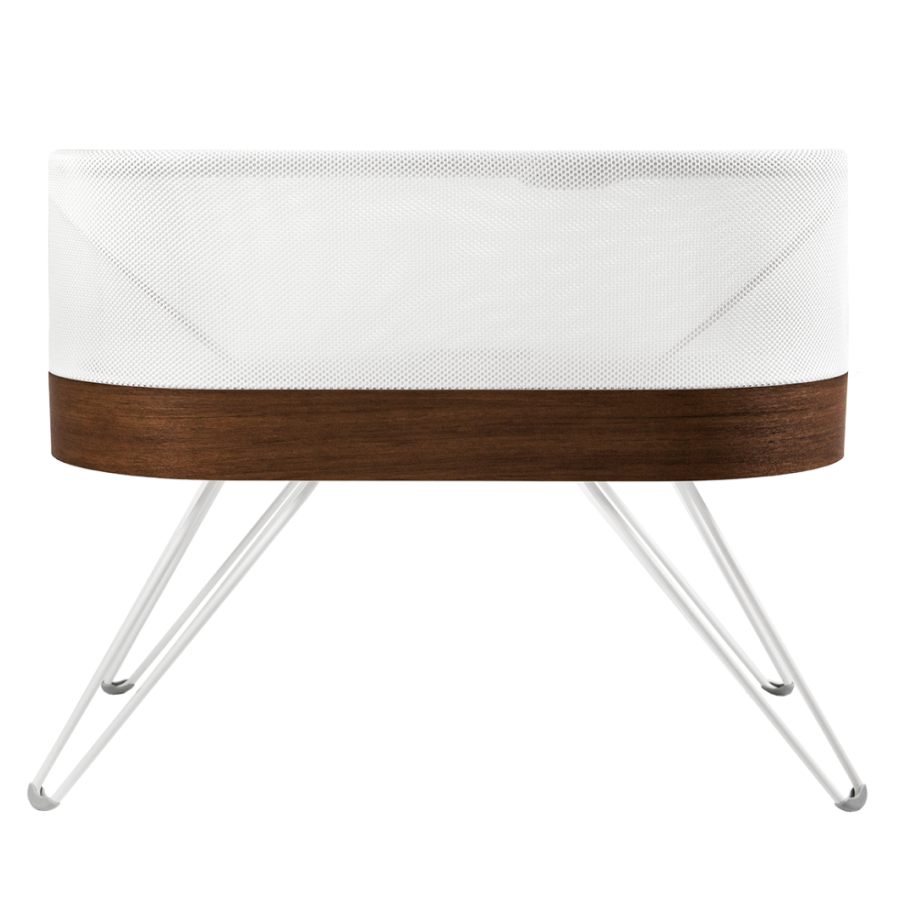
- SNOO
Let go of the guilt.
Despite the dire state of the village, 1 in 3 new mums say that they feel guilty for needing or asking for help—that’s not okay! There’s no shame in leaning on others so you can better care for yourself and your baby. If you feel guilt creeping in, try one of these be-good-to-yourself mantras:
- “I deserve help.”
- “There’s no such thing as a perfect parent.”
- “I’m not supposed to do everything.”
- “My village loves me.”
- “Accepting help makes me a better parent.”
- “I am not defined by my mistakes.”
- “My baby needs a rested parent.”
- “Taking care of myself helps me take care of my family.”
Make a nighttime game plan.
News flash: “Sleep like a baby” doesn’t mean what you think it does! Even though babies sleep 14 to 18 hours a day in their first two months, it’s in bits and pieces! It doesn’t help that newborns don’t know day from night, and they need to eat every two to four hours. To get a better handle on the chaos, consider putting together a flexible sleep plan! Here are some strategies you may use:
- Establish regular nights off. With your partner or a helper, divide nighttime into “on” and “off duty” shifts. For example, your partner may take the first shift, caring for your baby’s needs until midnight while you sleep. Then you take over while your partner rests. Then switch again before the day begins.
- Build in a dream feed. Before you hit the hay, try a dream feed—gently rouse your sleeping baby between 10pm and midnight to “fill their tank.” This can help keep your baby fuller longer, hopefully giving you a longer stretch of sleep at night.
- Alternate overnights. This is a “one night on, one night off” schedule, where you spend a full night on Baby duty, then the next night, your partner takes over. This works best when the off-duty grownup gets to rest undisturbed in a separate room.
- Offload non-feeding duties. If you’re exclusively breastfeeding, you can still get more ZZZs if your partner or helper takes over non-feeding duties, such as burping, nappy changes, swaddling, and settling the baby back into their bassinet.
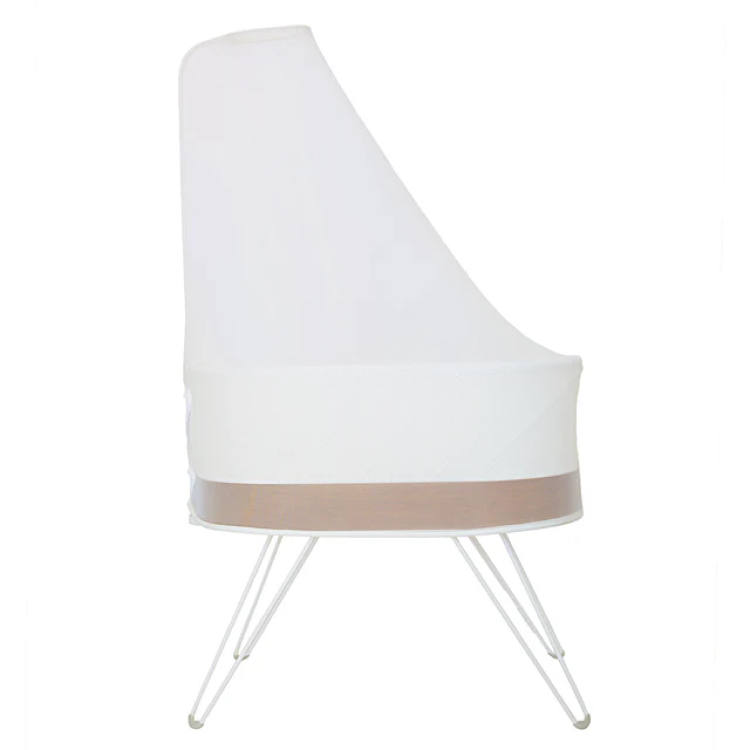
- Enlist an overnight helper. Consider hiring a postnatal doula or a night nurse—or buying a SNOO. All of which can be extraordinarily helpful when it comes to helping with overnight wakeups and soothing. In fact, SNOO has been shown to soothe non-hunger upsets in under a minute with its responsive sound and motion!
Learn the 5 S’s.
One of the best ways to ensure you get more sleep is to help your baby get more sleep! And a scientifically proven way to do just that is to learn—and regularly practice—the 5 S’s for soothing babies. Research shows that the 5 S’s can activate a baby’s innate calming reflex, which is their inborn “off switch” for crying and “on switch” for sleep. Here’s the breakdown:
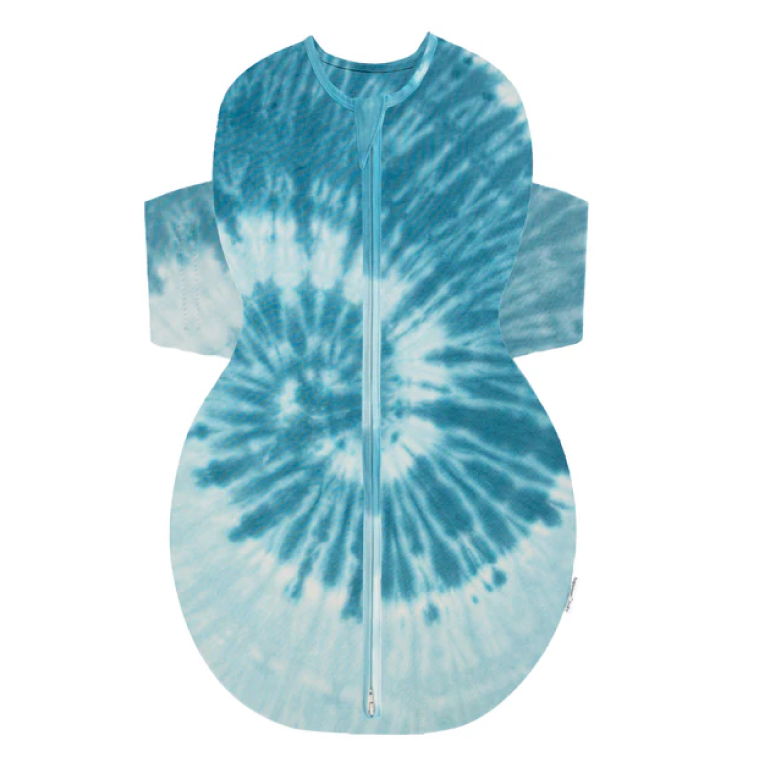
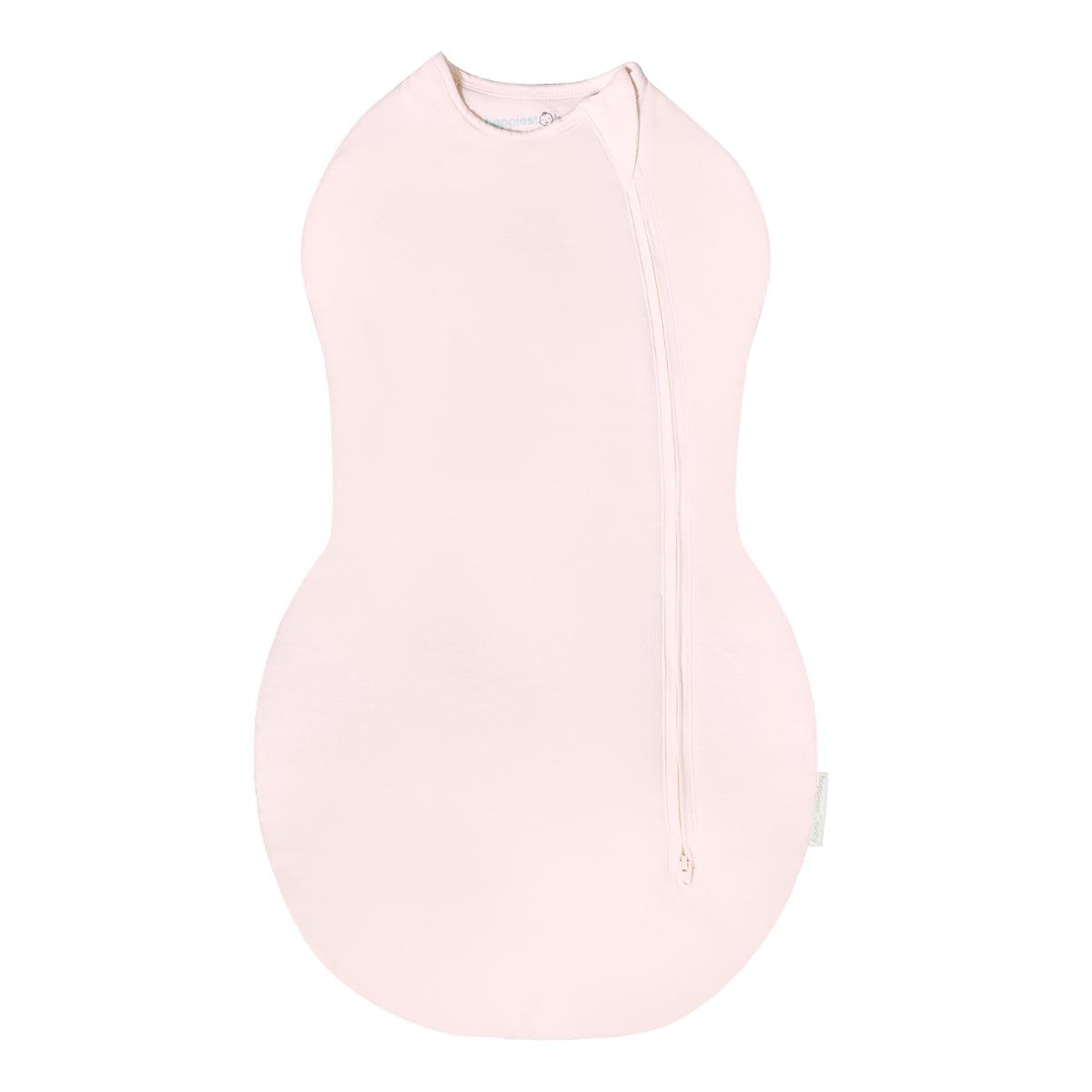
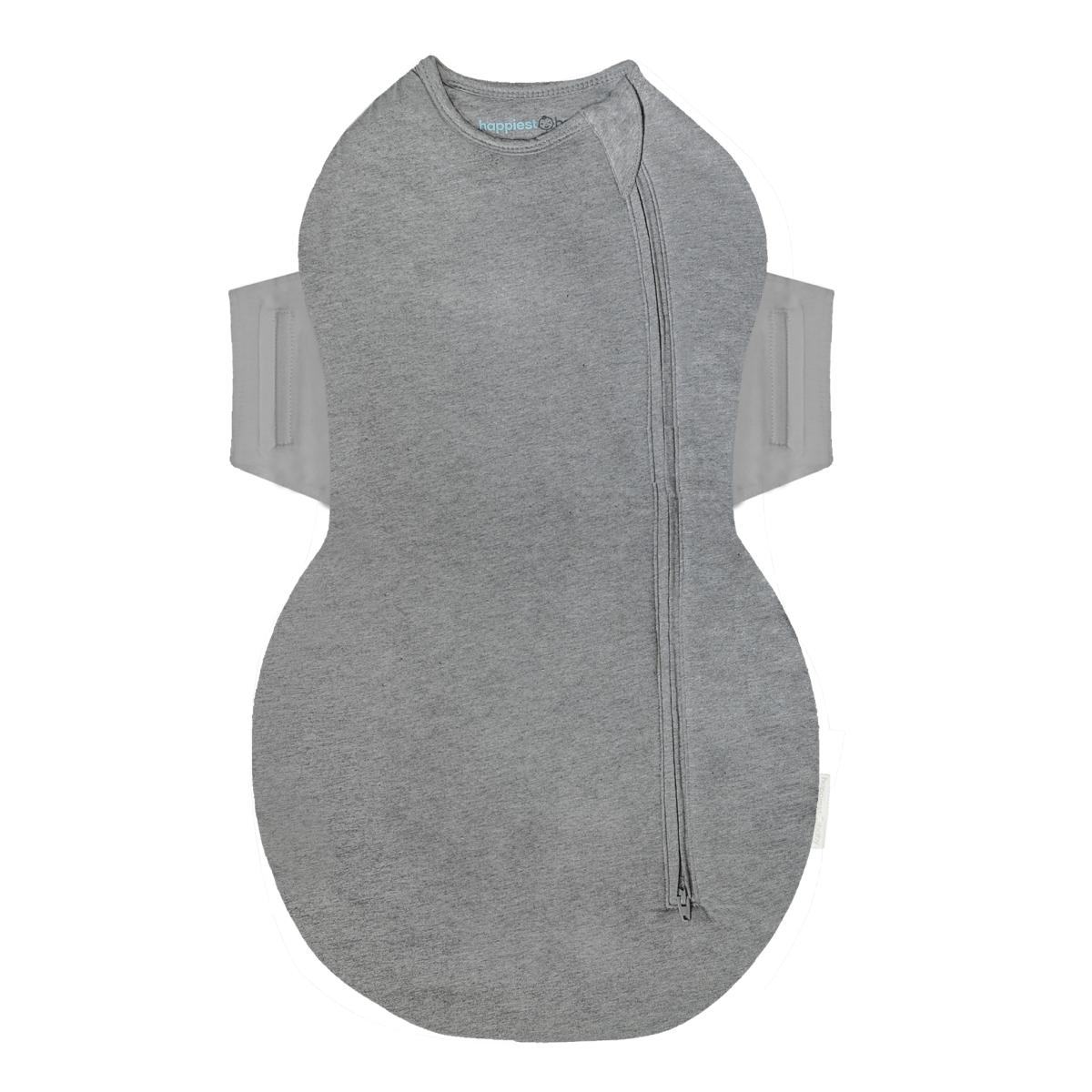
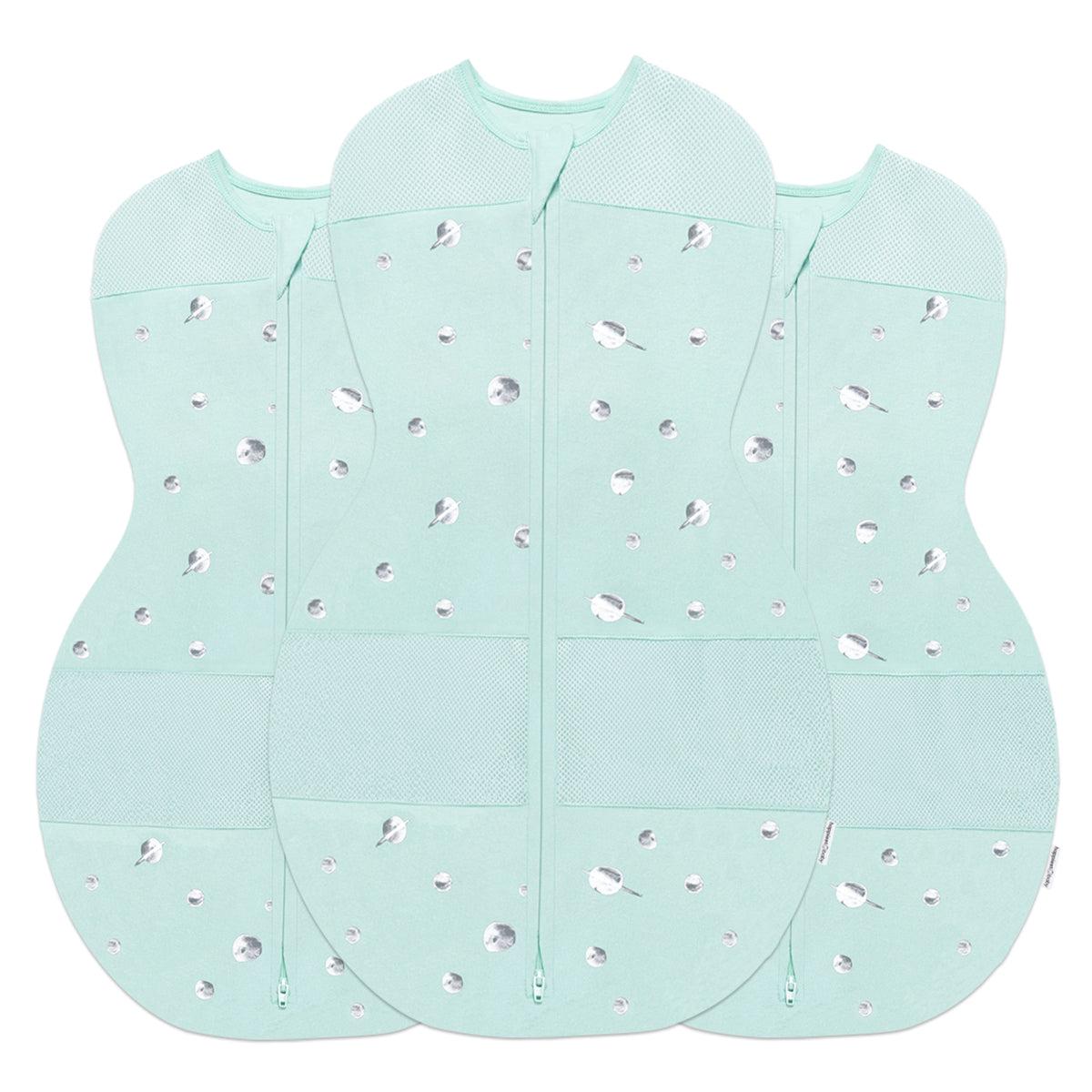
- Swaddling: Arms-down swaddling recreates the gentle hug of the womb and decreases the startle reflex, which can cause babies to bonk themselves in the face. (The award-winning Sleepea 5-Second Swaddle takes the guesswork out of swaddling, making it ideal for bleary-eyed night swaddling!)
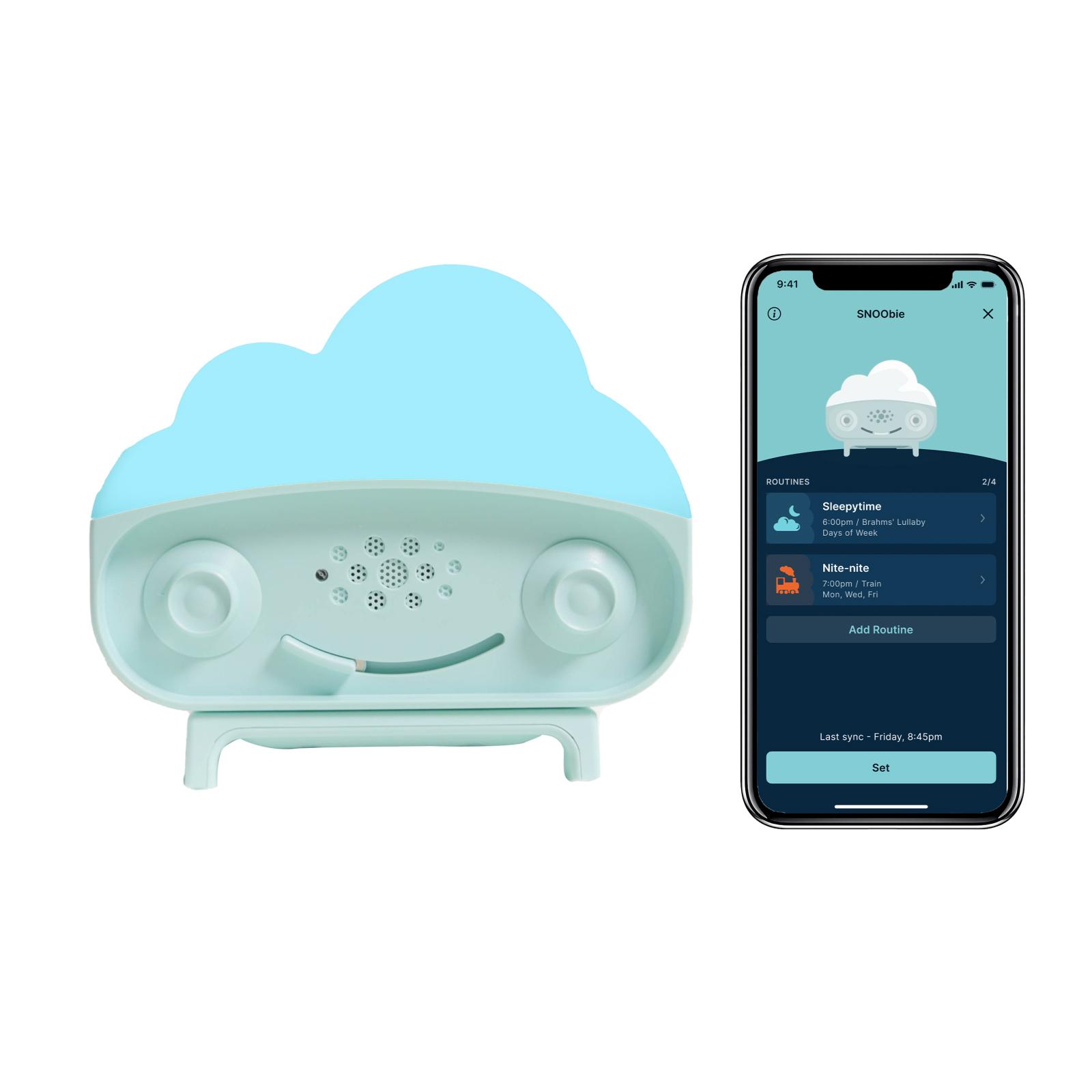
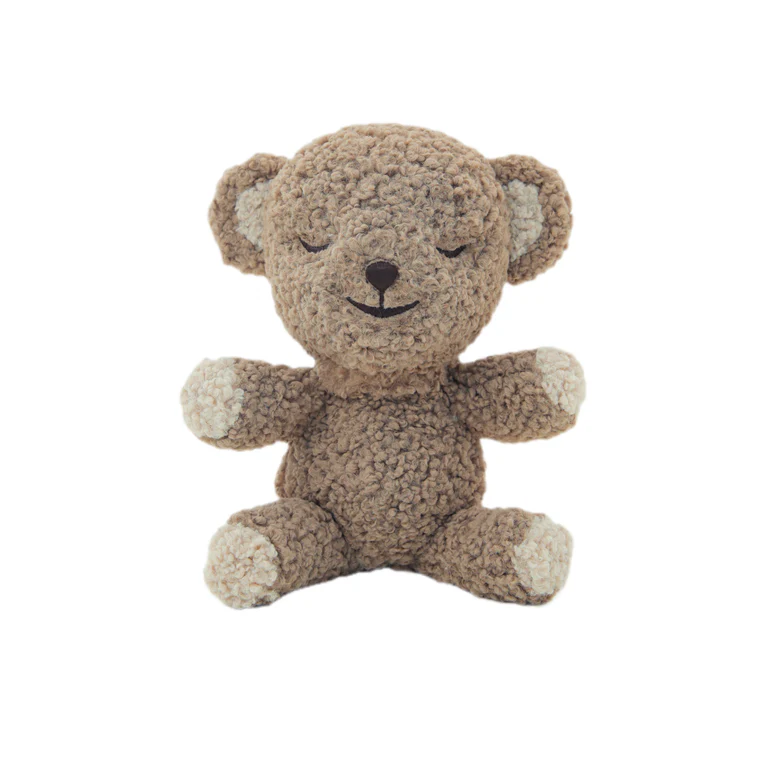
- Shushing: Recreating the constant sounds babies listened to while in utero with a white noise machine is an amazing sleep-helper! To make sure you’re using the just-right sleep sounds, try SNOO, SNOObear, or SNOObie.
- Swinging: Research shows that rocking (and rocking bassinets) reduces crying, hastens sleep onset, and improves overall sleep quality in babies. While it’s impossible to rock a baby in your arms all night, SNOO’s all night responsive rocking is guaranteed safe.
- Sucking: Many fussy babies relax into a deep tranquility when they suck on a dummy, a bottle, or a breast. That’s because sucking lowers your baby’s heart rate, blood pressure, and stress levels, priming them for sweet slumber.
- Side-stomach position: Holding your baby in your arms in the side or tummy naturally calms them. Just remember, that once your baby calms, place them on their back for sleep. It’s not safe to place a baby on their side or stomach to sleep.
Trade chores for a catnap.
“Sleep when the baby sleeps” might just be the most infuriating piece of new-parent advice…but it really is something to consider! You don’t even need to snooze for your baby’s entire nap. Experts note that sleeping for a half hour or less is enough to boost alertness without causing grogginess that actually makes you feel sleepier. More napping tips:
- Nap early. Napping after 3pm can interfere with your nighttime sleep.
- Keep it short. Snooze for 20 to 30 minutes, max. (But if you know you can sleep for a full 90 minutes, go for it!)
- Set a timer. Before dozing, set your alarm for 30 minutes, which allows you 10 minutes to fall asleep and 20 minutes for sleeping.
- Consider a caffeine nap. Because it takes the brain and body about 30 minutes to feel the impact of caffeine, the Sleep Foundation notes that drinking a caffeinated beverage before your catnap may help give you an extra boost of energy upon wakeup.
- Skip the sofa. Nap in a quiet, cosy spot, free of distractions, like your bedroom.
- Create a dark environment. To ensure the bright daylight doesn’t keep you awake, pull the blackout curtains or wear a good quality sleep mask.
- Turn on white noise. Low rumbly white noise blocks out distracting daytime sounds that can delay—or pull you from—a restful nap.
Create a postnatal wellness plan.
Many new parents struggle with feelings of depression, anxiety, inadequacy, and more. For some, there’s no way to prevent the emotional and mental upheaval they’ll experience once a baby joins their family. But for others, planning ahead can truly make a difference. To help, jot down a super-short wellness plan to post on your fridge to remind yourself you deserve TLC!
Example Postnatal Wellness Plan:
- I plan to listen to music or a feel-good podcast during my morning walk with the baby.
- I plan to drink 6 to 8 glasses of water daily.
- I plan to eat a salad with chicken/tuna/egg/hummus at lunch daily. (Prep on Sundays.)
- I plan to sleep uninterrupted for 4 hours every night while ______ cares for the baby.
- I plan to nap for 20 minutes when the baby naps in the morning.
- I plan to get fresh air every night after dinner while___________ bathes the baby.
- I plan to see or Facetime a friend twice a week.
- I plan on reaching out to ___________ if I’m feeling especially anxious or stressed.
- I plan to book a babysitter for date nights once every two weeks.
Disclaimer: The information on our site is NOT medical advice for any specific person or condition. It is only meant as general information. If you have any medical questions and concerns about your child or yourself, please contact your health provider. Breastmilk is the best source of nutrition for babies. It is important that, in preparation for and during breastfeeding, mothers eat a healthy, balanced diet. Combined breast- and bottle-feeding in the first weeks of life may reduce the supply of a mother's breastmilk and reversing the decision not to breastfeed is difficult. If you do decide to use infant formula, you should follow instructions carefully.






SHARE THIS ARTICLE
PARENT PICKS
Bestsellers