TROVACI SUI SOCIAL

Facebook linkYoutube linkInstagram linkTwitter link
View post on Instagram
 
View post on Instagram
 
View post on Instagram
 
View post on Instagram
 
View post on Instagram
 
View post on Instagram
 
View post on Instagram
 
View post on Instagram
 
View post on Instagram
 
View post on Instagram
 

Unisciti alla Famiglia,

Rimani informato

UNISCITI ALLA NOSTRA COMMUNITY

Iscriviti per ricevere consigli utili, offerte e molto altro!

RIGUARDO

Missione e FondatoriI 5 SBlog

SUPPORTO

FAQRegistrazione del prodottoCosti, spedizione e resiPortale per i ResiContattaci

COMUNITÀ

AffiliatiPartner Autorizzati

LEGALE

Termini di venditaInformativa sulla privacyCookie PolicyTermini di servizioEULAGaranzia limitata SNOONote legaliDiritto di recessoPreferenze sui cookieTutti i termini legali

NEGOZIO

SNOO Smart SleeperFascia SleepeaOrsacchiotto SNOObear con rumore bianco calmanteSNOObie Ciuccio Intelligente

© 2026 Happiest Baby, Inc. | Tutti i diritti riservati

Tutti i marchi di terze parti (inclusi nomi, loghi e icone) menzionati da Happiest Baby rimangono di proprietà dei rispettivi titolari. A meno che non sia espressamente indicato, l'uso da parte di Happiest Baby di marchi di terze parti non indica alcun rapporto, sponsorizzazione o approvazione tra Happiest Baby e i titolari di tali marchi. Qualsiasi riferimento da parte di Happiest Baby a marchi di terze parti è destinato a identificare i beni e/o i servizi corrispondenti e sarà considerato un uso nominativo ai sensi della legge sui marchi.

    Happiest Baby
    BLOG
    FAQS

    TODDLER

    How to Help Your Toddler Express Their Feelings

    Children whose feelings are lovingly acknowledged during the toddler years grow up emotionally strong!

    Happiest Baby Staff

    Scritto da

    Happiest Baby Staff

    CONDIVIDI QUESTO ARTICOLO

    Condividi su FacebookCondividi su TwitterCondividi su LinkedinCondividi su PinterestCondividi via e-mailCopia il link negli appunti
    How to help toddlers express emotions - mum encouraging toddler

    IN QUESTA PAGINA

    • How to Help Your Toddler Express Feelings 

    Did you know that emotions make us healthy? In fact, the way in which you react to your child’s expression of emotion will contribute greatly to his health—and happiness—for the rest of his life.

    Bottled-up feelings can lead to a profound sense of loneliness ('No one understands'/'No one cares') or even bursts of hysteria (think drama queen or someone needing anger-management classes). Kids whose words of fear and frustration are repeatedly silenced may grow up emotionally disconnected (like the guy who snarls 'I am NOT angry!', totally unaware that the veins are popping out of his forehead).

    On the other hand, when we 'have a good cry' we feel and think better. Venting anger with a good scream or punching a pillow can lower our blood pressure and help us recover, forgive, and move on. Laughter and tears have even been shown to strengthen the immune system and help heal illness.

    Children whose feelings are lovingly acknowledged during the toddler years grow up emotionally intact. They know how to ask their friends for help and how to support others in need. They seek out healthy relationships, avoiding bullies and choosing confidantes and life partners who are thoughtful and kind.

    How to Help Your Toddler Express Feelings 

    Young toddlers (12–24 months)

    Model for your child how to vent their feelings. For example, when they are mad stomp your feet, clap your hands, and shake your head vigorously, and teach them to say 'No!' ('Evelyn says, "No, no, no! Mine, mine! Stop now!"') 

    Older toddlers (2–4 years old)

    When things are calm, have your toddler practice different faces: 'Show me your happy face…your sad face…your mad face.' Point out pictures in books and say 'Look at that sad baby. How do you look when you are sad?' Cut out magazine pictures of people showing emotions and put them on cardboard cards or in a little 'feelings book.' Demonstrate your facial expressions so they can see what you mean: 'When I get mad my eyes get small and my mouth gets tight like this [make face].'

    Teach your child the words to use when they are upset. Use pictures in the 'feelings book' as a starting point. Ask, 'How does that boy feel? Why is that girl sad?' Enrich your child’s vocabulary by using different words. For example, for 'mad' you might also use: angry, furious, miffed, boiling, red-hot, etc.

    Amazingly, the more you practice these simple steps, the sooner your child will start to gain control of their emotional outbursts.

    Avvertenza: Le informazioni presenti sul nostro sito NON sono consigli medici per alcuna persona specifica o condizione. Sono solo intese come informazioni generali. Se avete domande o preoccupazioni mediche riguardo vostro figlio o voi stessi, si prega di contattare il vostro fornitore di assistenza sanitaria. Il latte materno è la migliore fonte di nutrizione per i neonati. È importante che, in preparazione e durante l'allattamento al seno, le madri seguano una dieta sana ed equilibrata. L'allattamento misto (seno e biberon) nelle prime settimane di vita può ridurre la produzione di latte materno e la decisione di non allattare al seno può essere difficile da invertire. Se decidete di utilizzare il latte artificiale per neonati, dovreste seguire attentamente le istruzioni.

    Principali notizie

    Il dottor Harvey Karp utilizza i 5 S per calmare un bambino irritabile

    BAMBINO

    I 5 S per calmare i neonati

    Un neonato nel Quarto Trimestre

    BAMBINO

    Cos'è il quarto trimestre?

    Neonato che dorme

    BAMBINO

    Benefici del rumore bianco per i neonati

    A baby with a pacifier

    BAMBINO PICCOLO

    Come e Quando Smettere di Usare il Ciuccio

    Mother holds baby during the 3- to 4-month sleep regression

    BAMBINO

    Non farti cogliere alla sprovvista dalla regressione del sonno di 3-4 mesi

    Una madre dà al suo neonato un pasto onirico

    BAMBINO

    Cos'è l'allattamento notturno?...E come si fa?

    CONDIVIDI QUESTO ARTICOLO

    Condividi su FacebookCondividi su TwitterCondividi su LinkedinCondividi su PinterestCondividi via e-mailCopia il link negli appunti

    SCELTE DEI GENITORI

    Bestseller

    Culla intelligente SNOO

    SNOO Smart Sleeper Baby Cot

    1395,00 €

    Slepea copertina per bebé in 5 secondi arcobaleno

    Sleepea® 5-Second Baby Swaddle

    32,95 €

    Sacco nanna SNOO 100% biologico blu tie-dye

    100% Organic SNOO Sleep Sack

    34,95 €

    SNOObie® Smart Soother

    69,95 €

    SNOObear di colore cacao lana

    SNOObear® 3-in-1 White Noise Lovey

    54,95 €

    Culla intelligente SNOO con rete anti-zanzare attaccata

    Shoo Mosquito Net

    88,00 €

    Nuvole di Sky Mobile

    Sky Mobile

    89,95 €

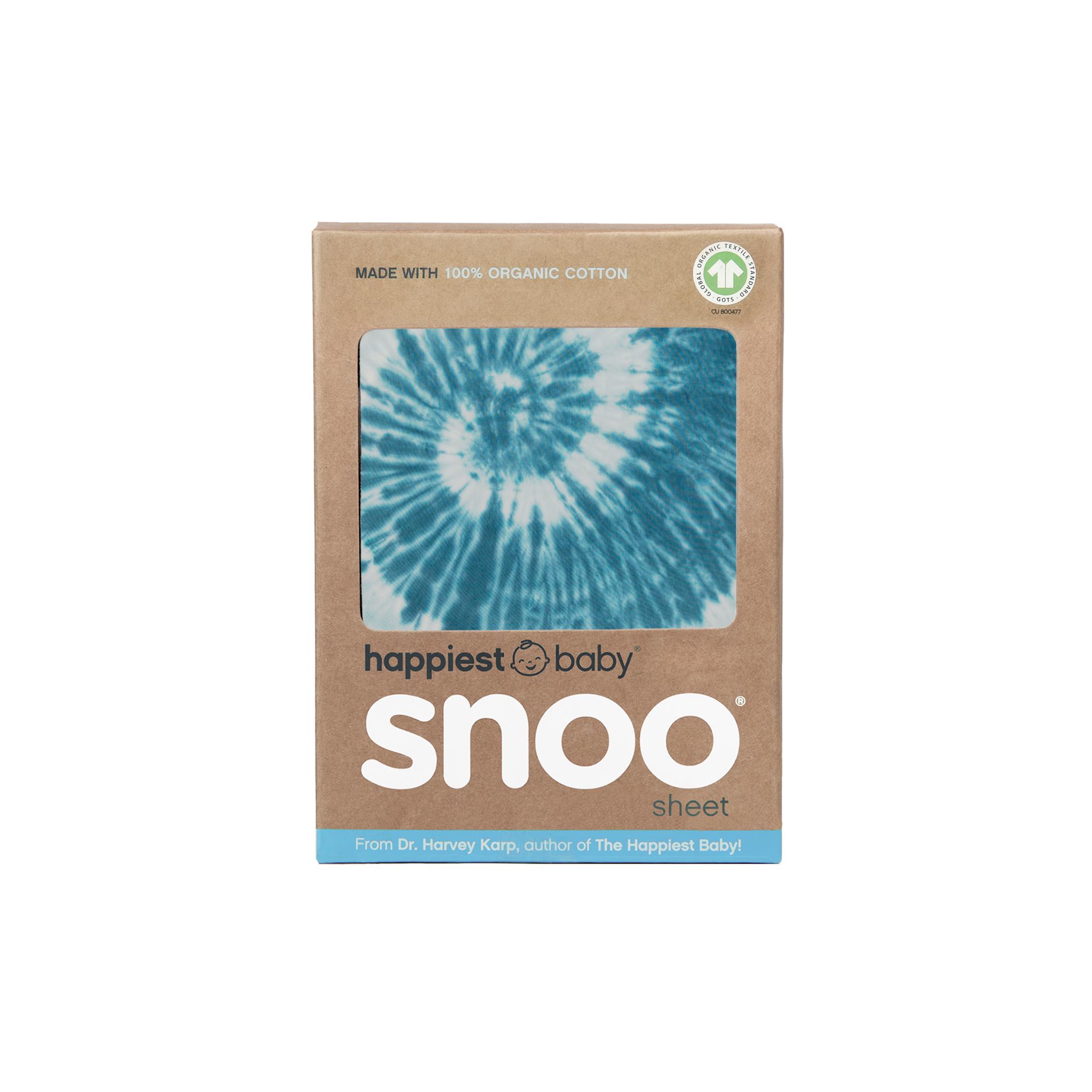
    Lenzuolo per culla SNOO in cotone 100% biologico, colore blu tie-dye nella scatola

    100% Organic Cotton SNOO Baby Cot Fitted Sheet

    19,95 €

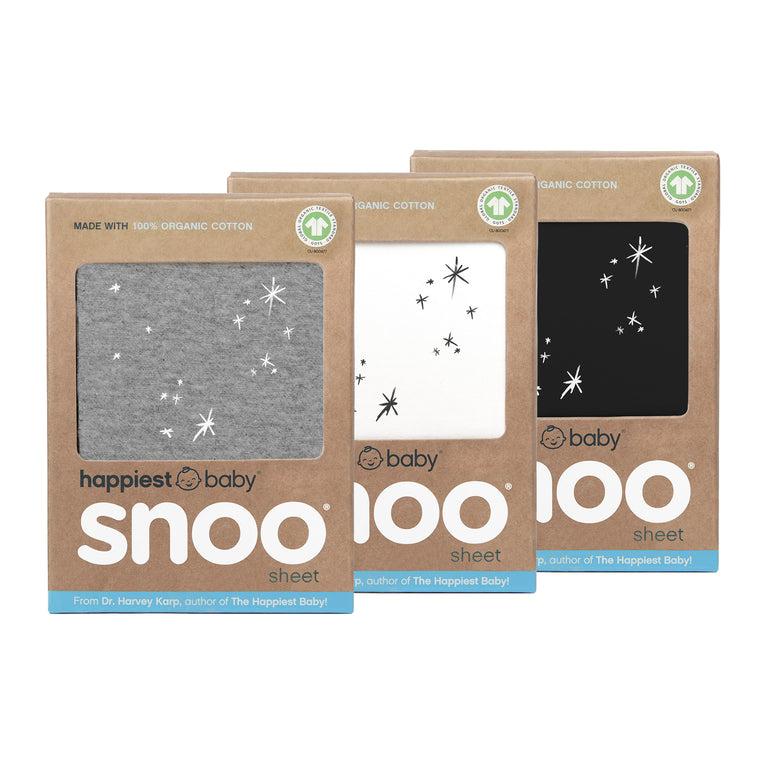
    Pacchetto di 3 lenzuola per culla SNOO in 3 colori diversi

    SNOO Organic Baby Cot Sheets 3 Pack

    €59.85

    38,90 €

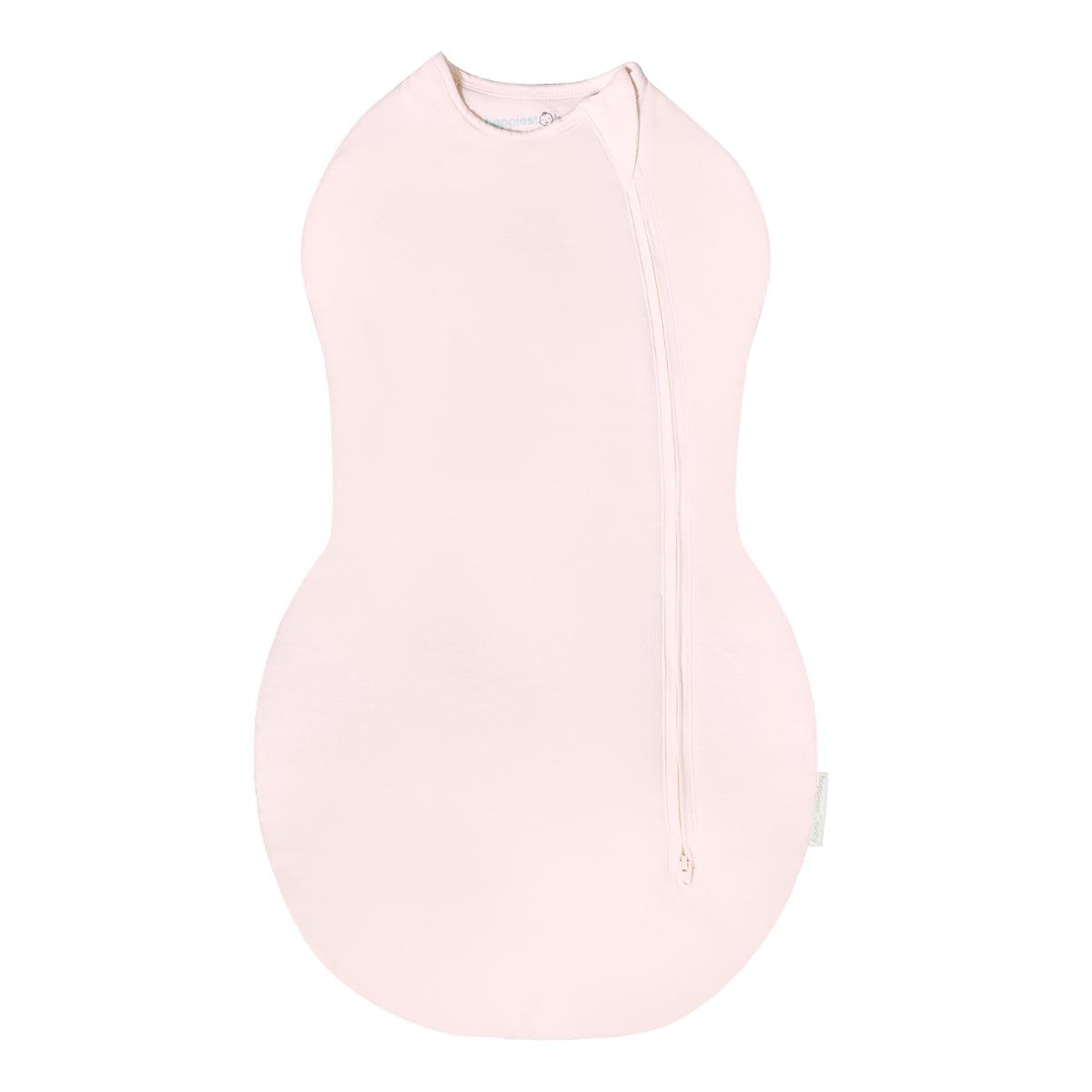
    Sleepea® coperta avvolgente in colore rosa

    Sleepea® Comforter Swaddle

    42,95 €

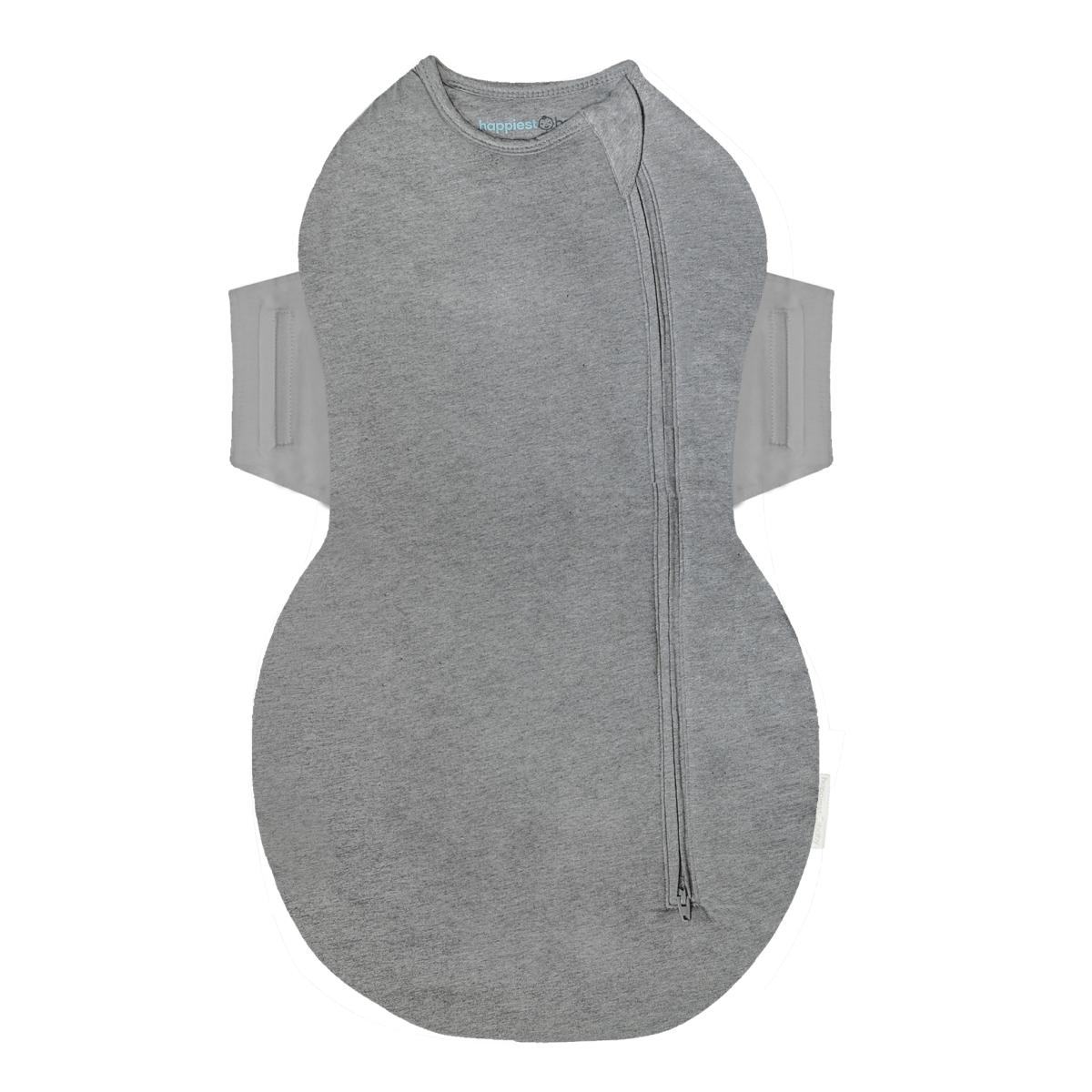
    Sacco comforter SNOO in cotone 100% biologico di colore grafite

    100% Organic SNOO Sleep Comforter Sack

    44,95 €

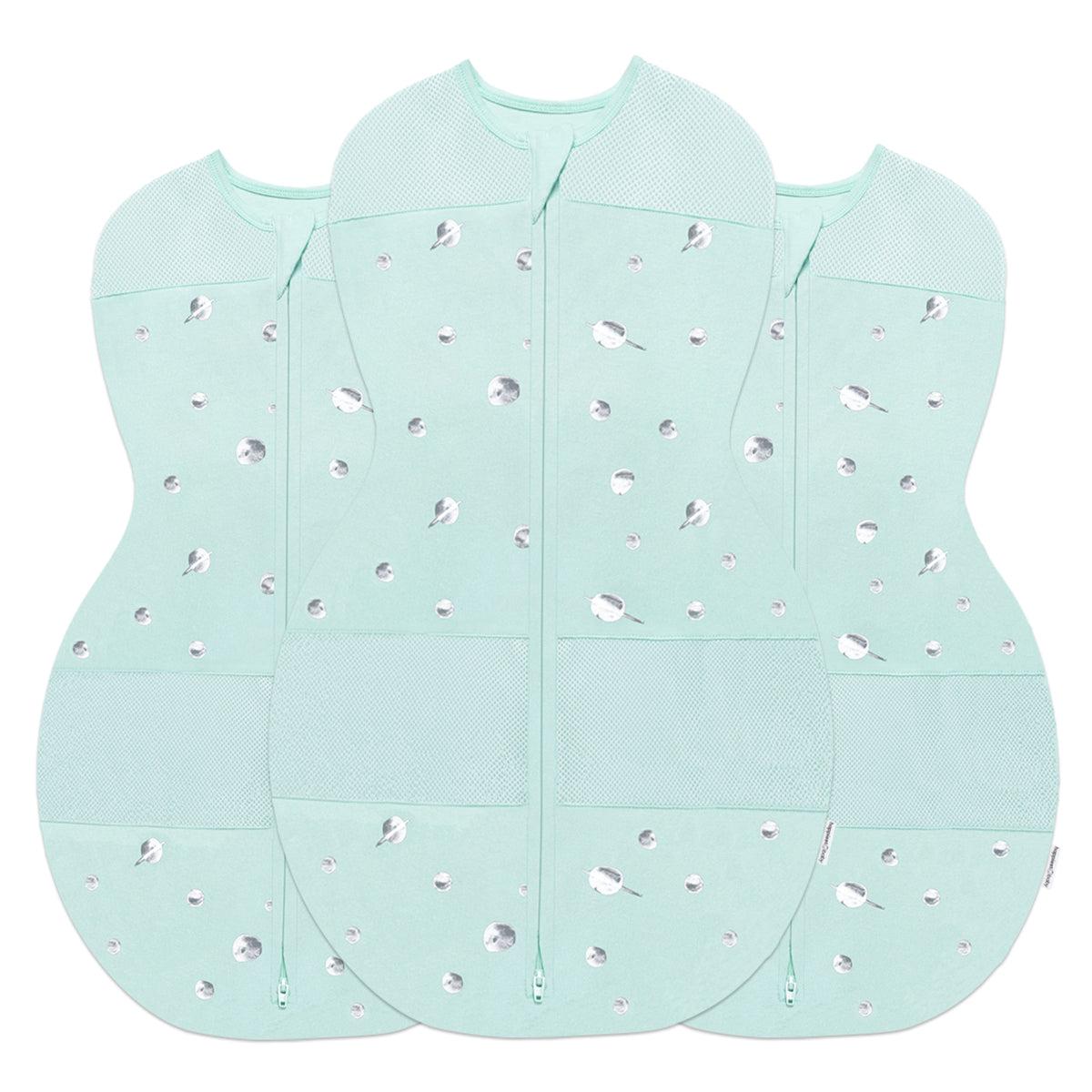
    Pacchetto da 3 sacchi avvolgenti Sleepea® di colore teal pianeti

    Sleepea® Swaddle Sack 3 Pack Bundle

    €98.85

    69,20 €

    Di più su Toddler

    Toddler pointing at mum's pregnant belly

    TODDLER

    Regressioni nei bambini piccoli durante la gravidanza: cosa succede e come aiutare

    Il tuo bimbo grande all’improvviso si comporta da piccolo? Ecco cosa sapere.

    TODDLER

    Smart Kitchen Safety Tips for Toddlers (and Their Grown-Ups!)

    Keep your curious little cook safe in the kitchen!